The Role of Mobile Apps in Modern Preventive Healthcare Practices
The Rise of Mobile Health Applications
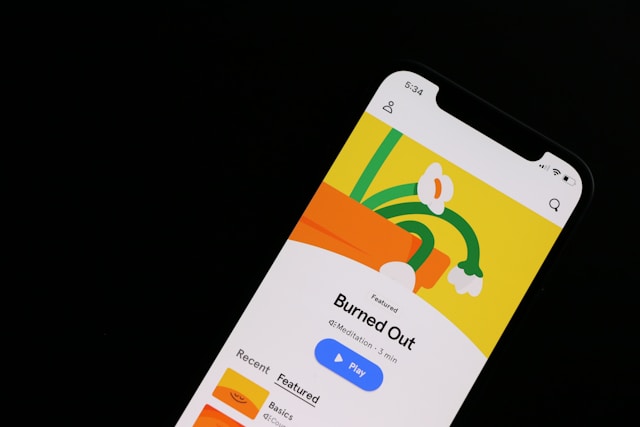
The advent of smartphones has not only transformed communication but has also revolutionized how we approach healthcare. Over the past decade, the development and integration of mobile health applications have surged, playing a crucial role in preventive healthcare practices. These apps allow users to monitor health metrics in real-time, receive personalized wellness recommendations, and ultimately reduce the risk of chronic diseases.
Empowering Individuals with Data
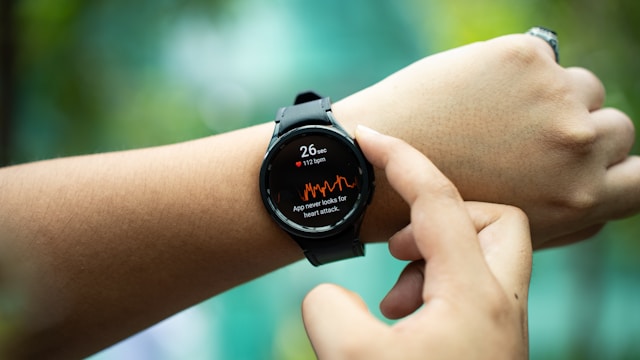
One of the primary benefits of mobile health applications is their ability to empower individuals through access to personal health data. For instance, apps like MyFitnessPal and Fitbit have become household names, enabling users to track daily physical activity, caloric intake, and sleep patterns. By providing clear, actionable data, these apps encourage users to make informed decisions about their lifestyle.
Take the case of Emily, a 35-year-old professional who struggled with maintaining a consistent exercise routine. By using a fitness tracking app, she was able to set realistic goals and monitor her progress. Within six months, Emily increased her weekly exercise by 50% and reduced her BMI by two points, significantly lowering her risk of developing type 2 diabetes.
Personalized Health Insights
Mobile health applications leverage artificial intelligence and machine learning algorithms to deliver personalized health insights. This customization is pivotal in preventive care as it tailors recommendations based on individual health profiles, genetics, and personal preferences.
For example, apps like Noom utilize psychological principles to understand user behaviors and provide tailored dietary and lifestyle advice. Users like John, a 40-year-old with a family history of cardiovascular disease, have benefited by receiving personalized meal plans that emphasize heart-healthy foods. After a year of using the app, John reported improved cholesterol levels and a noticeable increase in energy.
Chronic Disease Management
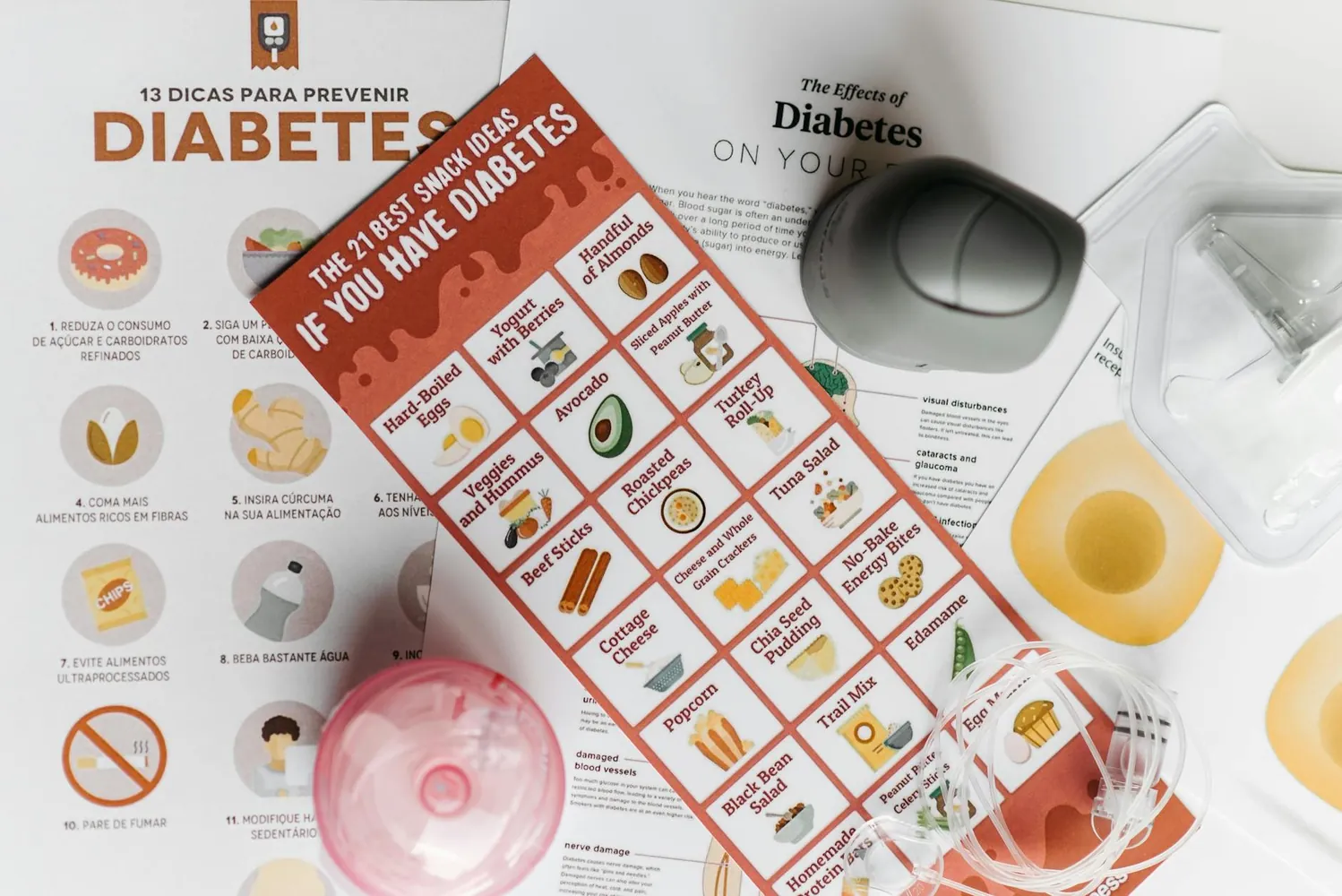
For individuals already diagnosed with chronic conditions, mobile apps offer tools to help manage their health more effectively. Apps like Glucose Buddy for diabetes management or AsthmaMD for asthma provide features that help users log symptoms, medication usage, and trigger events. This ongoing monitoring allows for better disease control and reduces the incidence of acute exacerbations.
An example is Sarah, a diabetic patient who uses an app to log her blood sugar levels. The app's analytics highlight patterns she might have otherwise missed, allowing her to adjust her diet and insulin doses appropriately. Her physician also has access to this data, facilitating more informed consultations and decision-making.
Community Support and Motivation
Another significant advantage of mobile health applications is the community support they offer. Social features embedded in many apps create networks of users who motivate each other through shared experiences and challenges.
Take the Strava app as an example; it allows runners and cyclists to share their routes and achievements with friends. For Mark, who is training for his first marathon, this sense of community has been instrumental. Seeing peers achieve similar goals motivates him to persist in his training regimen, reducing the likelihood of premature burnout or injury.
Privacy Concerns and Data Security
While mobile health applications offer numerous benefits, they are not without concerns. Privacy issues remain at the forefront as these apps often handle sensitive health information. Users must be diligent in understanding the privacy policies of the applications they choose to use.
Ensuring data security involves choosing apps that comply with regulations such as HIPAA in the United States or GDPR in Europe. Additionally, users should utilize security features like password protection and two-factor authentication where possible.
The Future of Mobile Health Applications
The future of mobile health applications is promising as technology continues to evolve. Innovations such as real-time biometric monitoring and integration with telehealth services are on the horizon. These advancements will further solidify the role of mobile apps in preventive healthcare.
One potential development is the incorporation of advanced predictive analytics that can alert users about potential health risks before symptoms appear. Such capabilities could revolutionize early intervention strategies for chronic diseases.
Practical Tips for Selecting Mobile Health Apps
- Assess Your Needs: Choose an app that aligns with your specific health goals and conditions. For example, select a nutrition-focused app if diet is your primary concern.
- Research App Credibility: Verify the app's credibility by checking reviews, developer information, and any affiliations with reputable healthcare organizations.
- Evaluate Features: Ensure the app provides features that are essential for your needs—whether it's tracking capabilities, educational resources, or community forums.
- Test Usability: An intuitive interface will make it easier to consistently use the app. Consider apps with simple navigation and clear instructions.
By following these steps, users can select applications that not only enhance their health journey but also fit seamlessly into their daily lives.