Selecting and Utilizing Wearable Tech for Better Preventive Care
The Rise of Wearable Technology in Preventive Care
Wearable technology has been rapidly advancing over the last decade, making significant inroads into the realm of preventive health care. With devices ranging from simple pedometers to sophisticated smartwatches and health monitoring bands, wearables have become an integral part of personal health management. These devices track various health metrics, offering users insights into their physical condition and behaviors that could influence future health outcomes.
As the healthcare industry shifts towards prevention rather than treatment, wearable tech offers a proactive approach by helping individuals monitor vital signs, manage chronic conditions, and engage more actively with their health data. But with so many options on the market, choosing the right device can be challenging. In this article, we will explore how wearable devices can enhance preventive care and provide practical tips for selecting and using these technologies effectively.
Understanding Wearable Health Metrics
Wearables can track a wide array of health metrics, each serving unique functions for preventive care:
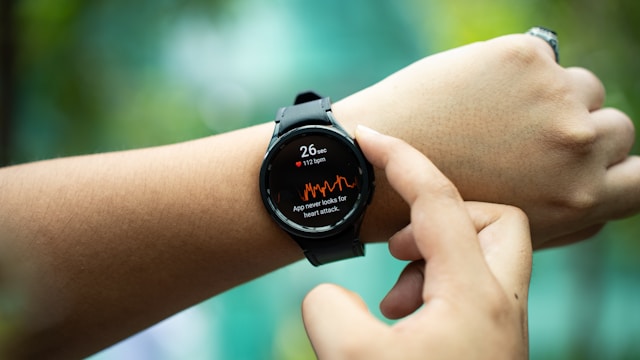
- Heart Rate Monitoring: Most wearables include a heart rate monitor, which can provide continuous tracking and help detect irregular heartbeats, stress levels, and even predict cardiovascular events.
- Physical Activity Tracking: Devices measure steps taken, distance covered, calories burned, and active minutes, encouraging users to meet daily exercise goals.
- Sleep Analysis: Advanced wearables analyze sleep patterns and quality, offering insights into sleep disorders or conditions like sleep apnea.
- Blood Oxygen Saturation (SpO2): This metric helps monitor respiratory health and is especially useful during high-altitude activities or for those with respiratory conditions.
- ECG Capabilities: Some high-end models offer electrocardiogram features that can be crucial for individuals with cardiac issues.
Benefits of Integrating Wearables into Preventive Care
The integration of wearables into preventive care strategies offers several benefits:
- Early Detection: Continuous monitoring allows for the early detection of potential health issues before they become serious, enabling timely intervention.
- Personalized Health Insights: Data collected by wearables can be used to tailor health advice and interventions specific to an individual's needs.
- Patient Engagement: By visualizing their own health data, users are more likely to engage in healthy behaviors and lifestyle changes.
- Remote Monitoring: Health professionals can access patients' data remotely, facilitating telehealth services and reducing the need for in-person visits.
Selecting the Right Wearable Device
Selecting a wearable device should be guided by individual health goals and lifestyle needs. Here are some considerations to help you choose the best device:
Identify Your Health Goals
Your choice of wearable should align with your primary health objectives. For instance, if you're looking to improve cardiovascular health, opt for devices with robust heart rate monitoring and ECG capabilities. Alternatively, if you're focused on weight loss or maintaining physical fitness, look for devices with comprehensive activity tracking features.
Assess Device Accuracy and Reliability
The effectiveness of a wearable device hinges on its accuracy. Reading reviews and research studies can provide insights into the reliability of different brands and models. Consider wearables that have been validated by scientific studies or endorsed by healthcare professionals.
Consider Battery Life and Convenience
A device's battery life can impact how frequently you'll need to charge it, affecting ease of use. Additionally, consider whether the device is waterproof if you plan to use it while swimming or in harsh weather conditions.
Compatibility and Data Accessibility
Ensure that the wearable is compatible with your smartphone or preferred health apps. Check if the data is easy to access and interpret. Many devices sync with popular health platforms like Apple Health or Google Fit, providing a holistic view of your health data.
Implementing Wearable Tech in Daily Routine
Once you've selected your wearable device, integrating it into your daily routine effectively is essential for maximizing its benefits:
Set Realistic Goals
Use your wearable to set achievable goals that encourage gradual improvement in health habits. For example, aim to increase your step count by 500 steps each week until you reach your desired daily goal.
Create Alerts and Reminders
Many wearables allow you to set reminders for movement after prolonged inactivity or to take medications at scheduled times. These features can help maintain consistent health routines.
Regularly Review Your Data
Make it a habit to review your health data regularly. This could be a weekly review session where you assess trends, identify areas for improvement, and adjust your goals accordingly.
Challenges and Considerations
While wearable technology offers numerous advantages in preventive care, some challenges should be considered:
Data Privacy Concerns
The collection and storage of personal health data raise concerns about privacy and data security. It's important to choose devices from companies with strong privacy policies and robust security measures.
Over-reliance on Technology
Wearables should complement rather than replace professional medical advice. Users must understand that while wearables provide valuable insights, they are not diagnostic tools.
User Compliance
The effectiveness of wearables largely depends on consistent usage. Many users abandon devices due to lack of motivation or interest over time. Finding ways to stay engaged with your device is key to long-term success.
Future Trends in Wearable Health Technology
The future of wearable technology is promising, with advancements expected in several areas:
- Enhanced Sensors: More sensitive sensors are likely to emerge, providing even greater accuracy in health monitoring.
- Integration with AI: Artificial intelligence can process vast amounts of data from wearables to predict health trends and risks more accurately.
- Diverse Applications: Beyond traditional metrics, future wearables may include features like hydration levels and stress biomarkers.
In conclusion, wearable technology represents a powerful tool in the shift towards preventive healthcare. By carefully selecting and effectively utilizing these devices, individuals can take charge of their health, identify potential issues early, and work towards healthier lifestyles.