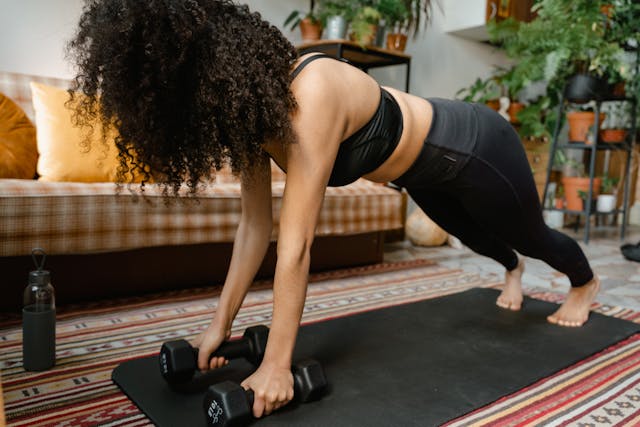
Real-World Applications of VR in Enhancing User Fitness Journeys
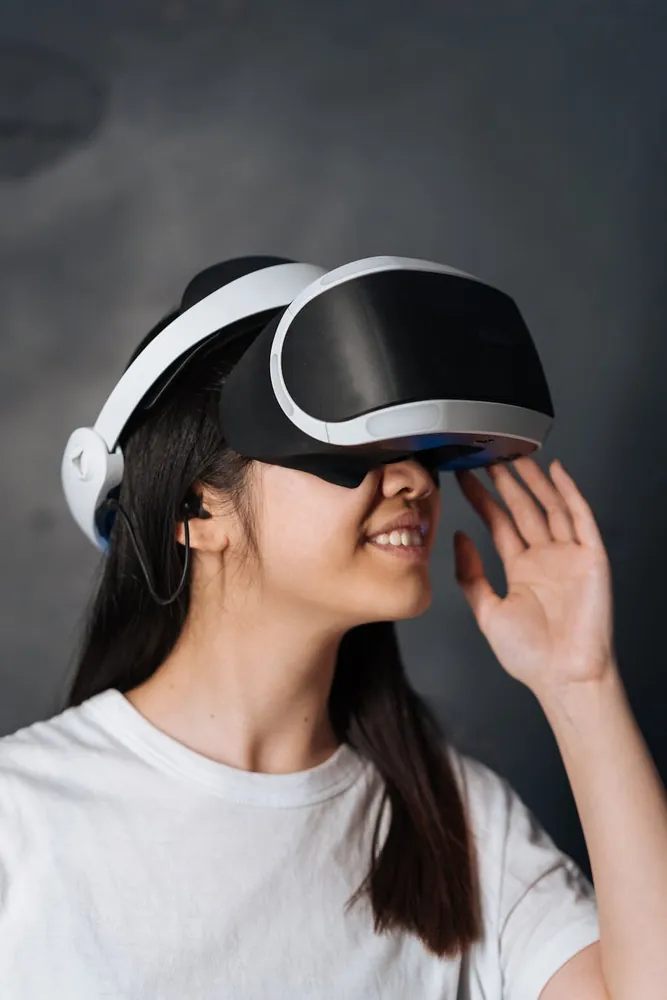
The Emergence of Virtual Reality in Fitness
Virtual Reality (VR) technology has been transforming numerous industries, from gaming to education. However, one of its most exciting applications is in the realm of fitness and wellness. By merging physical exercise with immersive digital environments, VR offers a novel approach to workout routines that can drastically enhance user engagement and motivation.
How VR Is Changing Workout Dynamics
Traditional workout regimes often suffer from monotony, leading to dwindling motivation and inconsistency. VR fitness, however, creates an engaging and entertaining environment that can mimic anything from scaling a mountain to dodging obstacles in a futuristic landscape. This shift transforms exercise into an adventure rather than a chore.
For instance, Supernatural, a popular VR fitness app, offers users a combination of rhythm-based workouts set against stunning natural backdrops. As users swing their virtual batons to the beat of music, they burn calories and improve coordination while being fully immersed in the experience.
Case Study: Enhancing User Engagement with VR Workouts
A study conducted at the University of Southern California assessed the impact of VR on workout adherence. Participants were split into two groups: one engaged in traditional cycling routines and the other in VR-enhanced cycling simulations. Results showed that the VR group demonstrated significantly higher levels of motivation and adherence, as the immersive scenarios provided an added layer of excitement and distraction from physical exertion.
Moreover, VR allows for real-time feedback and tracking, offering users insights into their performance metrics. These features are invaluable for setting and achieving personalized fitness goals.
Integrating VR into Fitness Routines: Practical Tips
If you're considering integrating VR into your fitness routine, it's essential to choose the right equipment and applications that align with your fitness goals. Here are some practical tips:
- Select Compatible Hardware: Ensure your VR headset is compatible with fitness applications. The Oculus Quest 2, for instance, is a popular choice due to its standalone capabilities and ease of use.
- Choose the Right Application: Different apps cater to various fitness needs. FitXR offers boxing and dance workouts, while The Thrill of the Fight provides a more intensive boxing simulation.
- Create a Safe Space: Ensure you have adequate room to move safely without obstructions. Use guardian features available in most VR systems to establish boundaries and prevent accidents.
The Impact of VR on Performance Metrics
VR doesn't just enhance motivation; it also has measurable impacts on performance. A notable example is found in professional sports training. The NFL has adopted VR to simulate game scenarios, allowing players to practice strategies and decision-making without physical wear and tear.
This concept extends to personal fitness where VR applications can tailor workout intensity and track progress meticulously. Users can engage in high-intensity interval training (HIIT) while monitoring heart rate, calorie expenditure, and endurance levels, thus facilitating data-driven adjustments to their routines.
The Psychological Benefits of VR Fitness
Beyond physical gains, VR workouts offer significant psychological benefits. The immersive nature of VR fosters a state of 'flow' — a mental state where individuals are fully absorbed in an activity. This not only boosts enjoyment but also reduces stress levels and enhances overall well-being.
A case in point is Beat Saber, a rhythm-based game that has become a staple in many VR fitness regimens. Users report feeling invigorated post-workout, attributing it to the exhilarating experience of slashing through beats and lightsabers amidst a pulsating virtual environment.
Challenges and Considerations
While VR offers a promising future for fitness enthusiasts, there are challenges to consider. Motion sickness is a common issue among new users, particularly if the virtual movement does not align with physical sensations. Gradual acclimatization is key, starting with shorter sessions and progressively increasing duration as comfort grows.
Additionally, cost can be a barrier, as high-quality VR systems come at a premium price. However, the long-term benefits often justify the initial investment for those committed to enhancing their fitness journeys.
The Future of VR in Fitness and Wellness
Looking ahead, the potential for VR in revolutionizing fitness regimes is immense. As technology advances, we can anticipate more sophisticated applications that incorporate artificial intelligence for personalized coaching and augmented reality features that blend virtual elements into real-world settings.
The integration of social elements is another exciting frontier. Platforms like VZfit enable group rides and competitions within virtual worlds, adding a communal aspect that mirrors traditional group classes but with far greater flexibility.
Ultimately, VR's capacity to transform mundane exercises into immersive experiences will continue to redefine how we perceive and engage with fitness.
Conclusion: Embracing the Virtual Revolution
The advent of virtual reality marks a pivotal shift in how individuals approach fitness and wellness. By leveraging immersive technologies, users can transform their workout routines from mundane obligations into exhilarating adventures that captivate both body and mind.
Whether you're seeking to break free from gym monotony or looking to enhance performance through innovative methods, embracing VR can elevate your fitness journey in unprecedented ways.