Real-Life Examples of Dance Therapy Boosting Parkinson's Patient Mobility
The Rise of Dance Therapy in Parkinson's Care
Dance therapy, an innovative intervention that combines physical movement and psychological support, has emerged as a promising treatment for individuals with Parkinson's disease. This neurological disorder, characterized by tremors, stiffness, and impaired balance, often leads to decreased mobility and quality of life. Over recent years, various clinical trials have demonstrated that dance therapy can play a significant role in managing these symptoms and improving patients' overall well-being.
The power of dance lies in its ability to engage both the body and mind. The rhythmic patterns and creative expression involved in dancing can stimulate brain function, enhance mood, and encourage social interaction. In this article, we will delve into specific case studies and explore how dance therapy has been integrated into Parkinson's care to boost patient mobility.
Case Study 1: Tango Dancing at the University of Washington
In a groundbreaking study at the University of Washington, researchers explored the effects of Argentine tango on individuals with Parkinson's disease. The study included a group of 40 patients who participated in weekly dance sessions over the course of six months.
Study Design and Implementation
- Participants were divided into two groups: one attended tango classes, while the control group participated in regular exercise routines.
- The tango sessions were tailored to accommodate varying levels of mobility, ensuring all participants could engage safely.
- Professional dance instructors and physiotherapists led the classes, focusing on movements that improved balance, coordination, and gait.
Results and Observations
The study revealed notable improvements in the tango group. Participants demonstrated increased stride length and reduced tremor severity. Furthermore, caregivers reported enhanced emotional well-being and greater independence in daily activities among the dancers.
Dr. Madeleine Hackney, the lead researcher, noted, "Tango requires rapid changes in direction, balance control, and partner coordination, making it particularly effective for retraining motor skills in Parkinson’s patients."
Case Study 2: Ballet Classes in Brooklyn
At a community center in Brooklyn, New York, a different approach was taken with ballet-inspired exercises. This project involved 30 participants who engaged in weekly ballet classes designed specifically for people living with Parkinson's disease.
Approach and Methodology
- The ballet sessions incorporated barre exercises and floor work to improve posture, flexibility, and muscle strength.
- Movements were adapted to prevent strain and accommodate varying physical limitations.
- A focus was placed on musicality and rhythm to enhance cognitive engagement and memory.
Successes and Challenges
After three months, participants reported feeling more confident in their movements and experiencing fewer falls. The structured nature of ballet encouraged discipline and concentration, which translated into everyday activities. One participant shared, "I never imagined I could still find joy in dancing despite my diagnosis. It has brought a new light into my life."
However, challenges included maintaining motivation outside of class and ensuring consistent attendance. To address this, facilitators fostered a sense of community by encouraging participants to share their experiences and support one another.
The Science Behind Dance Therapy's Effectiveness
The benefits of dance therapy are supported by neuroscience research. Engaging in dance involves complex motor coordination, sensory feedback integration, and cognitive processing—all areas that can be compromised by Parkinson's disease. Through repetitive practice, dance helps rewire neural pathways associated with movement control.
Studies have shown that rhythm-based activities like dance can increase dopamine production, a neurotransmitter often depleted in Parkinson's patients. This uptick can alleviate symptoms such as bradykinesia (slowness of movement) and rigidity.
Practical Tips for Implementing Dance Therapy
If you or someone you know is considering dance therapy for Parkinson's management, here are some practical steps to get started:
- Consult with Healthcare Professionals: Before beginning any new exercise regimen, discuss with doctors or physical therapists to ensure it aligns with existing treatment plans.
- Select Appropriate Dance Styles: Choose styles that match the participant's interests and abilities. Options include tango, ballet, salsa, or even ballroom dancing.
- Start Slowly: Introduce dance movements gradually to build confidence and prevent injury.
- Create a Supportive Environment: Encourage family members or friends to participate or observe classes for moral support.
- Monitor Progress: Regularly assess improvements in mobility and emotional health to tailor sessions effectively.
A Look to the Future
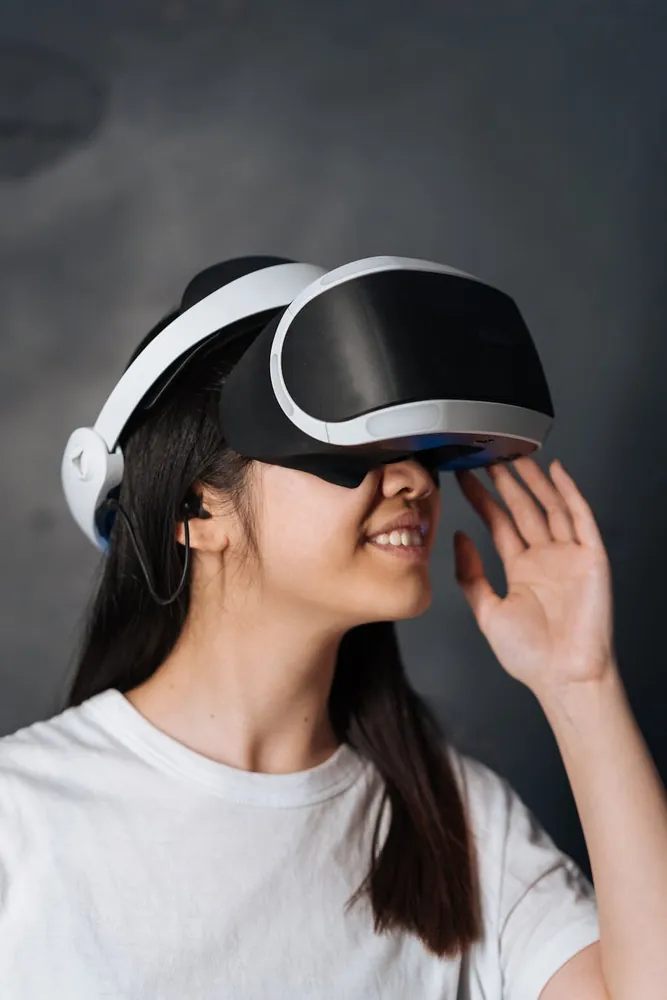
The future of dance therapy in Parkinson's care looks promising. As more studies validate its efficacy, healthcare providers may increasingly incorporate dance into standard treatment protocols. Furthermore, technological advancements like virtual reality are opening new avenues for delivering dance therapy remotely, broadening access to those unable to attend physical classes.
Ultimately, dance therapy represents a holistic approach that not only addresses the physical aspects of Parkinson's but also nurtures emotional well-being. As demonstrated through real-life examples, the power of dance goes beyond mere movement—it is a testament to resilience and hope amidst the challenges posed by this condition.