
Practical Mindfulness Activities for Reducing Adolescent Anxiety in Classrooms
Understanding Adolescent Anxiety
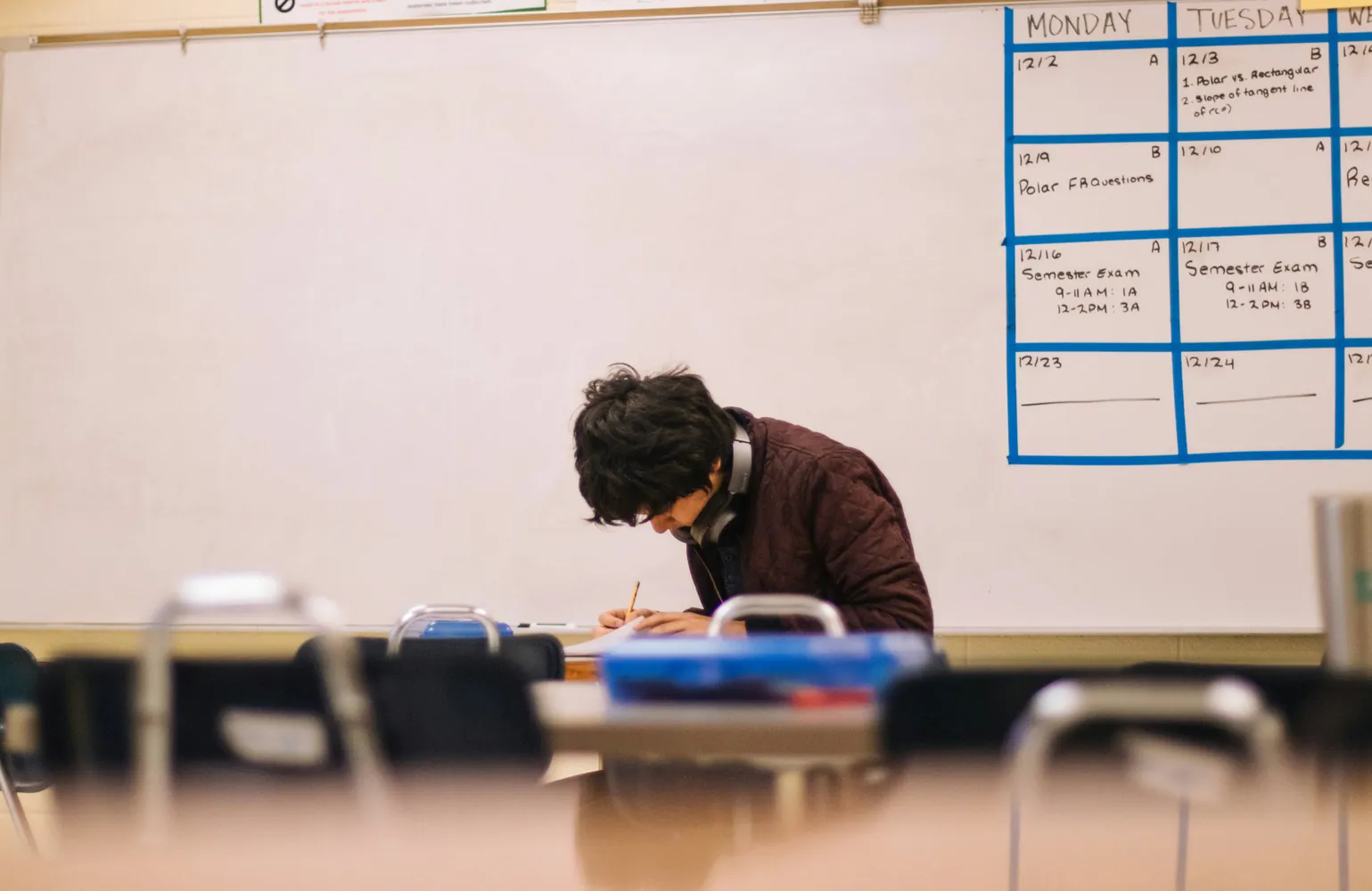
Adolescence is a period marked by significant emotional and psychological change. During this stage, teenagers often encounter increased academic pressures, social dynamics, and personal identity exploration. This cocktail of factors can contribute to heightened levels of anxiety among students.
Anxiety in adolescents may manifest as restlessness, fatigue, difficulty concentrating, irritability, and sleep disturbances. When unaddressed, these symptoms can impair academic performance and social interactions, creating a cycle that exacerbates the problem.
Why Mindfulness?
Mindfulness, the practice of maintaining a present-moment awareness without judgment, has emerged as a powerful tool to combat anxiety. For adolescents, mindfulness activities can foster emotional regulation, improve concentration, and enhance overall well-being. Educators are increasingly interested in integrating mindfulness into classroom settings to support student mental health.
Step-by-Step Guide to Implementing Mindfulness in Classrooms
1. Building the Foundation
Start Small: Begin with brief mindfulness sessions, such as one-minute breathing exercises. Gradually increase the duration as students become more comfortable.
Create a Safe Space: Ensure that students understand the purpose of mindfulness and that they are in a non-judgmental environment where participation is encouraged but not forced.
2. Breathing Exercises
One of the simplest mindfulness techniques involves focused breathing:
- Deep Breathing: Instruct students to inhale deeply through their noses, hold for a few seconds, and exhale slowly through their mouths. Repeat for five minutes at the start or end of class.
- Counting Breaths: Have students silently count each breath up to ten, then start over. This helps keep their attention anchored on their breathing.
3. Body Scans
The body scan is an excellent way to promote relaxation and awareness:
- Guided Body Scan: Lead students in a five-minute session focusing on different parts of the body from toes to head, noting any sensations or tension.
This exercise can be particularly useful during transitions between classes or after lunch to help refocus and reset.
4. Mindful Walking
Mindful walking combines movement with mindfulness:
- During a break or recess, guide students in a slow walk around the school grounds. Encourage them to pay attention to each step and the sensation of their feet touching the ground.
5. Gratitude Journals
Encouraging gratitude is another effective mindfulness technique:
- Ask students to write down three things they are grateful for at the end of each week. This practice shifts focus from stressors to positive aspects of life.
Potential Challenges and Solutions
Resistance from Students
It's not uncommon for adolescents to express skepticism or reluctance towards mindfulness activities. Solution: Start with short, engaging exercises and gradually build up. Share stories or research about the benefits to spark interest.
Lack of Time
Teachers often struggle with packed curriculums leaving little room for extra activities. Solution: Integrate mindfulness into existing structures. For example, start each class with a two-minute breathing exercise.
Diverse Needs and Preferences
Differentiated instruction is key in diverse classrooms. Solution: Offer various mindfulness activities and allow students to choose what resonates most with them.
The Role of Educators in Fostering Mindfulness
Educators play a crucial role in modeling mindfulness practices. By demonstrating calmness and focus, teachers can influence students positively. Participating alongside students shows commitment and reinforces the importance of these practices.
A Mini-Framework for Classroom Mindfulness Implementation
{ "start": "Introduce daily mindfulness moments at the beginning or end of class.", "adapt": "Customize activities to fit the class's schedule and needs.", "feedback": "Regularly collect student feedback to adjust practices.", "persist": "Commit to consistent practice to embed mindfulness into classroom culture." }
This framework provides a simple, adaptable structure that educators can modify based on classroom dynamics and student responses.
Conclusion: The Future of Mindfulness in Education
The inclusion of mindfulness practices in educational settings holds great promise for improving adolescent mental health. By equipping students with tools to manage anxiety, educators not only enhance learning environments but also prepare students for future challenges. As these practices become more widespread, schools may see broader improvements in academic performance and student well-being.