Key strategies for addressing childhood food allergy challenges effectively
Understanding Childhood Food Allergies
Food allergies in children are a growing concern, affecting nearly 8% of kids worldwide. These allergies can lead to severe reactions, impacting both the child’s health and family lifestyle. Recognizing and managing these allergies early is crucial for ensuring the safety and well-being of affected children.
Common Allergens in Children
The majority of food allergies in children are caused by eight main allergens: milk, eggs, peanuts, tree nuts, soy, wheat, fish, and shellfish. Each allergen can trigger different reactions, ranging from mild symptoms like hives to severe anaphylaxis.
Identifying Food Allergies
Accurate identification of food allergies involves a combination of medical history, physical examinations, and testing. Common diagnostic methods include:
- Skin Prick Tests: A small amount of allergen is introduced into the skin to observe reactions.
- Blood Tests: Measure specific IgE antibodies to identify potential allergies.
- Oral Food Challenges: Conducted under medical supervision, this involves consuming small quantities of the suspected allergen.
Consulting with an allergist is essential to determine the appropriate testing strategy for your child.
Strategies for Managing Food Allergies
Allergen Avoidance
Avoiding allergens is the most effective way to prevent allergic reactions. Parents should read food labels carefully and educate themselves on alternative names for allergens. Additionally, they should ensure that their child's caregivers and teachers are informed about the allergy and trained to recognize symptoms of an allergic reaction.
Creating a Safe Home Environment
Here are some tips to create a safe home environment for a child with food allergies:
- Organize Your Kitchen: Keep allergen-free zones where no cross-contact can occur. Use separate utensils and cutting boards.
- Safe Storage: Store allergenic foods in sealed containers away from allergen-free foods.
- Regular Cleaning: Ensure that surfaces are regularly cleaned to avoid traces of allergens.
Safe Meal Planning
Meal planning can be challenging but is manageable with the right approach:
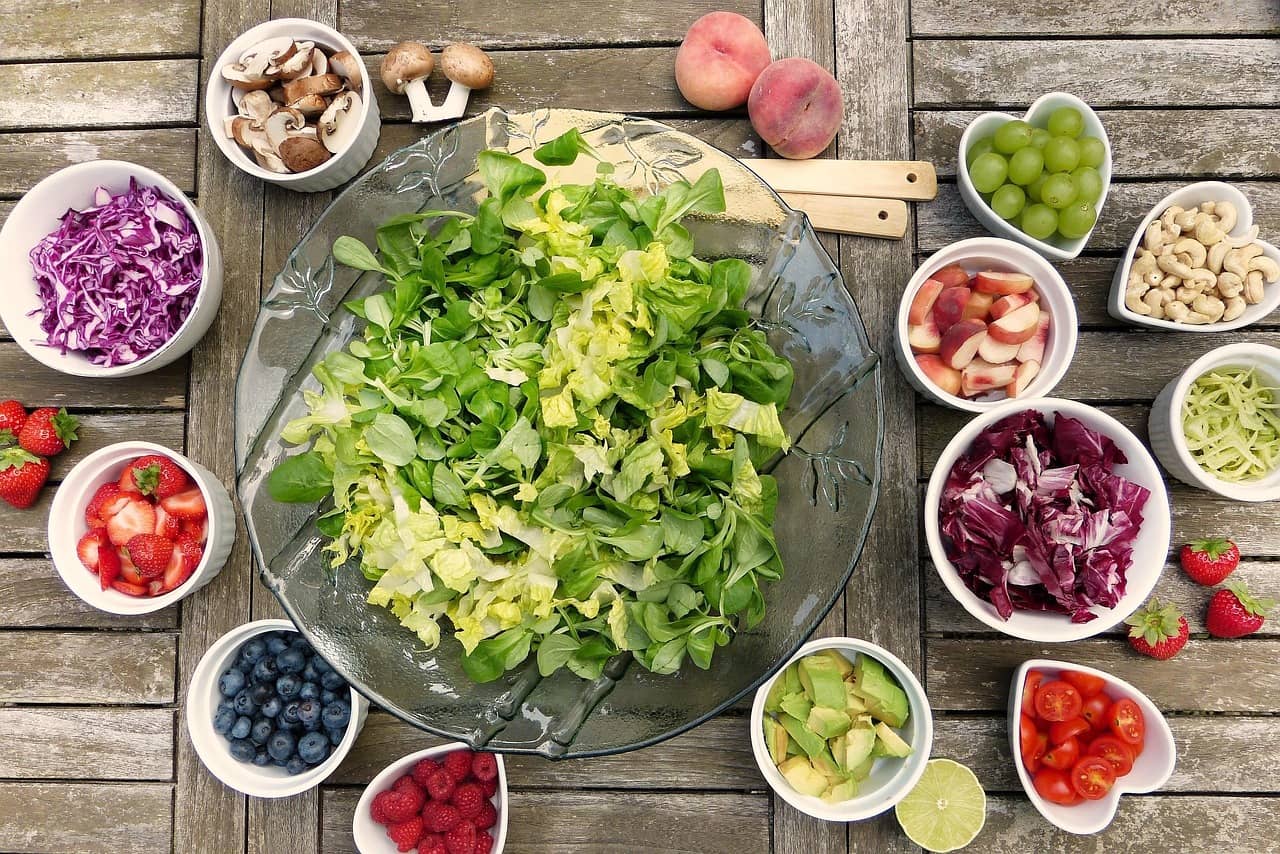
- Create a Weekly Meal Plan: Plan meals that naturally avoid allergens without needing substitutes.
- Use Trusted Recipes: Rely on recipes from reputable sources or those suggested by your dietitian that are free from allergens.
- Prepare Meals in Advance: Cooking in batches can help save time and reduce stress during busy weeks.
Checklist for Meal Planning
To streamline safe meal planning, use the following checklist:
- Confirm ingredients with product labels.
- Avoid cross-contact by using dedicated cooking tools and appliances.
- Communicate with all family members about allergy-friendly dishes.
- Introduce new foods cautiously and watch for signs of a reaction.
Educating Your Child About Their Allergy
Empowering your child with knowledge about their food allergies can help them manage their condition better as they grow older. Start by explaining their allergies in simple terms they can understand. Teach them how to identify unsafe foods and encourage them to speak up about their allergies when needed.
The Role of Schools and Daycares
Your child’s school or daycare plays a crucial role in managing their food allergies. Here’s how you can work with these institutions:
- Create an Allergy Action Plan: Work with the school nurse to develop a plan outlining steps to take in case of an allergic reaction.
- Education Sessions: Request training sessions for school staff on recognizing and responding to allergic reactions.
- Pack Safe Snacks: Provide your child with safe snacks to avoid exposure to unknown foods at school events or parties.
Navigating Social Situations
Navigating social situations such as playdates, birthday parties, and dining out requires preparation and communication. Always inform hosts or restaurant staff about your child’s allergies in advance and have an action plan ready in case of accidental exposure.
Dine Out Safely
If dining out, choose restaurants known for accommodating food allergies. Call ahead to discuss the menu options with the chef or manager. Bring allergy-safe snacks as a precautionary measure.
Emergency Preparedness
Anaphylaxis Management
Anaphylaxis is a severe, potentially life-threatening allergic reaction. Every parent should know how to recognize its symptoms and respond promptly. Carrying an epinephrine auto-injector is vital, as it can reverse the symptoms quickly if administered immediately after exposure.
Recognizing Symptoms
The symptoms of anaphylaxis may include difficulty breathing, swelling of the throat, rapid heartbeat, or a sudden drop in blood pressure. Train everyone around your child to recognize these symptoms swiftly and act accordingly.
Working with Healthcare Providers
Your healthcare providers, including allergists and dietitians, are invaluable resources in managing your child’s food allergies. Regular check-ups will ensure that your management plan remains current as your child grows and their immune system changes.
Conclusion
Tackling childhood food allergies requires vigilance and teamwork between parents, educators, and healthcare providers. By creating a supportive environment and equipping children with knowledge, families can navigate these challenges more effectively, ensuring safety without compromising on the quality of life. With these strategies in place, managing food allergies becomes a shared responsibility rather than an isolating challenge.