Key Indicators of Autoimmune Disorders Specific to Women’s Health

Understanding Autoimmune Disorders in Women
Autoimmune disorders occur when the body's immune system mistakenly attacks its own tissues. These disorders are more prevalent in women than men, with nearly 80% of autoimmune patients being female. This discrepancy is attributed to hormonal differences, genetic predispositions, and environmental factors that uniquely affect women. Commonly diagnosed autoimmune diseases in women include lupus, rheumatoid arthritis, and thyroid diseases such as Hashimoto's thyroiditis.
Common Symptoms of Autoimmune Disorders
Although symptoms can vary widely depending on the specific disorder, there are common indicators that suggest an autoimmune process. It is crucial for women to recognize these signs early to seek proper medical intervention.
Fatigue
Chronic fatigue is a hallmark symptom across many autoimmune disorders. It is often described as an overwhelming sense of tiredness that does not improve with rest. In conditions like lupus or multiple sclerosis, fatigue can significantly impact daily life, making routine activities challenging.
Joint Pain and Swelling
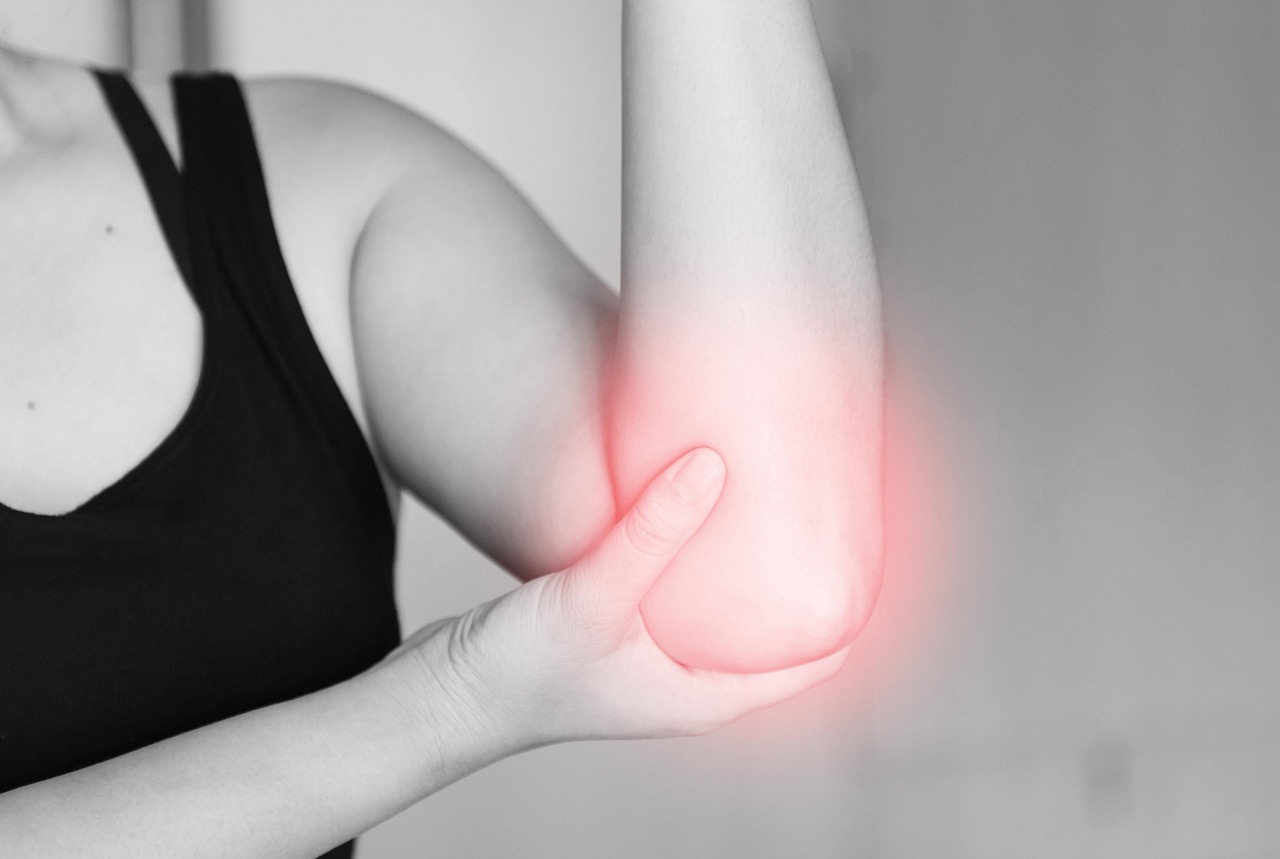
Joint pain is particularly prevalent in disorders such as rheumatoid arthritis and lupus. Women may experience stiffness, redness, and swelling, especially in the morning or after periods of inactivity. It is essential to differentiate this from other forms of arthritis through proper diagnosis.
Skin Changes
Skin manifestations are common in lupus, where a distinctive 'butterfly rash' appears across the cheeks and nose. Other disorders, such as psoriasis, lead to scaly red patches, while scleroderma causes the skin to harden and tighten.
Symptoms Specific to Certain Autoimmune Disorders
Lupus
Lupus can affect multiple organ systems, with symptoms ranging from skin rashes to kidney problems. Women with lupus might experience increased sensitivity to sunlight, chest pain upon deep breathing, and hair loss.
Rheumatoid Arthritis (RA)
RA primarily affects joints but can also influence other organs like the lungs and eyes. Women might notice symmetrical joint involvement, where both hands or both knees show symptoms.
Thyroid Disorders
Hashimoto’s thyroiditis often leads to hypothyroidism with symptoms including weight gain, sensitivity to cold, constipation, and depression. Conversely, Graves’ disease leads to hyperthyroidism symptoms such as weight loss, rapid heartbeat, and anxiety.
The Importance of Early Diagnosis
Early detection of autoimmune disorders is critical for effective management and improved quality of life. Delayed diagnosis can result in unnecessary progression of the disease and irreversible damage to body tissues.
Diagnosis Workflow
- Step 1: Keep a detailed log of symptoms including frequency, intensity, and triggers.
- Step 2: Consult with a healthcare provider who may order blood tests such as ANA (antinuclear antibody) test or ESR (erythrocyte sedimentation rate).
- Step 3: Follow up with specialist referrals if necessary for comprehensive testing (e.g., rheumatologist or endocrinologist).
Practical Tips for Managing Autoimmune Disorders
While medical treatment varies according to the specific condition, general lifestyle adjustments can alleviate symptoms:
- Diet: Adopt an anti-inflammatory diet rich in omega-3 fatty acids found in fish, flaxseeds, and walnuts.
- Exercise: Engage in low-impact exercises like swimming or yoga to maintain joint flexibility and muscle strength.
- Stress Management: Techniques such as mindfulness meditation and breathing exercises can help manage stress levels which might exacerbate symptoms.
Conclusion
Acknowledging the key indicators of autoimmune disorders specific to women's health can empower patients and healthcare providers alike. By recognizing early symptoms and understanding their implications, women can take proactive steps towards managing their health effectively.