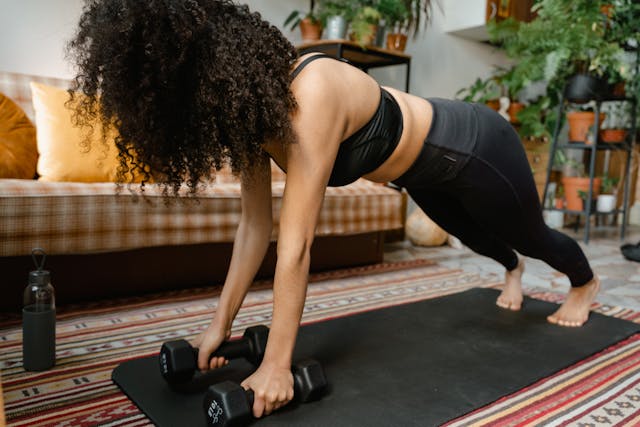
How Proper Breathing Transforms Your Fitness Routine for Better Results
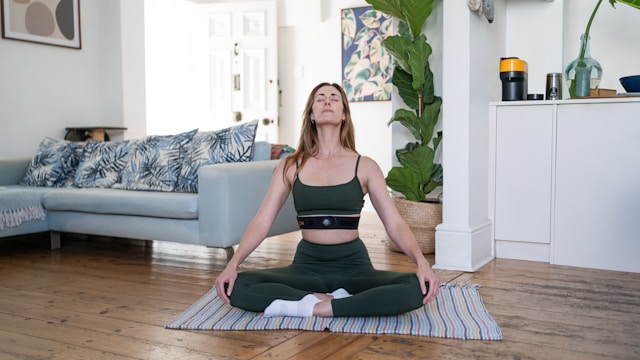
The Importance of Breathing in Fitness
When it comes to improving your fitness routine, few elements are as underrated yet impactful as proper breathing. Many athletes and casual exercisers alike overlook the powerful role that controlled, effective breathing can play in enhancing performance. From increasing endurance to supporting muscle function, understanding how to breathe correctly during workouts is essential for anyone looking to optimize their fitness results.
Understanding Breath: The Physiology
Breathing is a critical physiological process that involves the intake of oxygen and expulsion of carbon dioxide. During exercise, your body's demand for oxygen increases to support muscle activity. Proper breathing techniques can improve oxygen delivery to muscles, delay fatigue, and reduce the buildup of metabolic waste products like lactic acid.
The Role of the Diaphragm
The diaphragm, a large muscle located at the base of the lungs, plays a key role in breathing. It contracts and flattens when you inhale, creating a vacuum that draws air into the lungs. Strengthening the diaphragm through practice can enhance breathing efficiency and overall respiratory health.
Breathing Techniques for Different Types of Exercise
Different exercises require different breathing techniques. Whether you're engaging in strength training or cardio, adjusting your breathing style can lead to better performance and greater results.
Strength Training
In strength training, where exertion is intense and often brief, the Valsalva maneuver is commonly used. This technique involves inhaling deeply, holding your breath during the exertion phase, and exhaling slowly as you complete the lift. While this can stabilize the core and improve power output, it should be used cautiously to avoid spikes in blood pressure. For those lifting lighter weights or performing high repetitions, synchronized breathing is recommended—inhale during the eccentric (muscle lengthening) phase and exhale during the concentric (muscle shortening) phase.
- Example: During a bench press, inhale as you lower the bar to your chest and exhale as you push it upward.
Cardio Workouts
During aerobic exercises like running or cycling, maintaining a steady and rhythmic breathing pattern is crucial. Many athletes find a 2:2 breathing pattern effective, where they inhale for two steps or pedal strokes and exhale for two. This helps synchronize breath with movement, reducing fatigue and improving stamina.
- Example: While running, inhale on one step with your right foot and another with your left, then exhale over the next two steps.
Practical Exercises to Improve Breathing Efficiency
Improving your breathing technique takes practice. Below are some exercises designed to strengthen respiratory muscles and enhance your breathing control:
Diaphragmatic Breathing
This foundational exercise helps you engage your diaphragm more effectively:
- Lie down flat on your back with your knees bent and feet flat on the floor.
- Place one hand on your chest and another on your abdomen.
- Inhale deeply through your nose, ensuring your abdomen rises while your chest remains still.
- Exhale slowly through pursed lips, feeling your abdomen fall inward.
Practice for 5-10 minutes daily to improve diaphragm activation.
Pursed Lip Breathing
This technique can help manage shortness of breath during workouts:
- Inhale deeply through your nose, counting to two.
- Pucker your lips, as if blowing out a candle.
- Exhale slowly and gently, taking twice as long as your inhale.
Box Breathing
Box breathing, also known as square breathing, enhances focus and relaxes the mind:
- Inhale through your nose for a count of four.
- Hold your breath for a count of four.
- Exhale through your mouth for a count of four.
- Hold again after exhaling for a count of four.
This rhythmic pattern reduces stress and helps you maintain control under pressure.
Integrating Breathing Techniques into Your Routine
The key to reaping the benefits of proper breathing lies in consistent practice and awareness during workouts. Consider these steps to seamlessly integrate effective breathing techniques into your fitness regimen:
- Start with mindfulness: Begin each session with a few minutes of deep breathing to center yourself.
- Focus on form: Pay attention to maintaining proper form in both exercise execution and breathing technique.
- Monitor progress: Keep a journal tracking how improved breathing affects endurance and strength over time.
A Sample Workout Integration Plan
If you're unsure where to start, consider this simple plan:
- Warm-up: Spend 5 minutes performing diaphragmatic breathing exercises before starting your workout.
- Main workout: Apply synchronized or rhythmic breathing techniques tailored to each exercise (e.g., Valsalva maneuver for heavy lifts; 2:2 pattern for cardio).
- Cool down: Use box breathing or pursed lip breathing post-workout to promote relaxation and recovery.
Conclusion: Embrace Breath for Enhanced Fitness
The power of proper breathing extends beyond mere oxygen supply—it's about optimizing body mechanics, improving mental clarity, and sustaining energy throughout physical activities. By mastering these breathing techniques, you're not just adding a new layer to your fitness routine; you're equipping yourself with a tool that transforms how you move, perform, and recover. Consistent practice will yield noticeable improvements in performance and overall well-being. Breathe intentionally; elevate exponentially.