How Creative Expression Programs Aid Veterans Facing PTSD

The Power of Creative Expression in Healing
Post-Traumatic Stress Disorder (PTSD) affects countless veterans, leaving them grappling with a spectrum of emotional and psychological challenges. In recent years, art therapy and other creative expression programs have emerged as valuable tools in assisting veterans to navigate their mental health struggles. These programs harness the therapeutic power of creativity to foster healing, self-discovery, and personal growth.
Understanding PTSD Among Veterans
PTSD is a complex mental health condition triggered by witnessing or experiencing traumatic events. For veterans, these may include combat exposure, military training accidents, and other service-related traumas. Symptoms often manifest as flashbacks, severe anxiety, depression, and heightened emotional responses.
Conventional treatments like Cognitive Behavioral Therapy (CBT) and medication have been pivotal in managing PTSD. However, they may not address all facets of trauma recovery. This is where creative expression programs step in, offering alternative avenues for healing that resonate deeply with the experiential and emotional realities faced by veterans.
Exploring Different Creative Expression Programs
Creative expression programs are diverse, with different forms offering unique benefits. Here we contrast a few prominent approaches:
Art Therapy
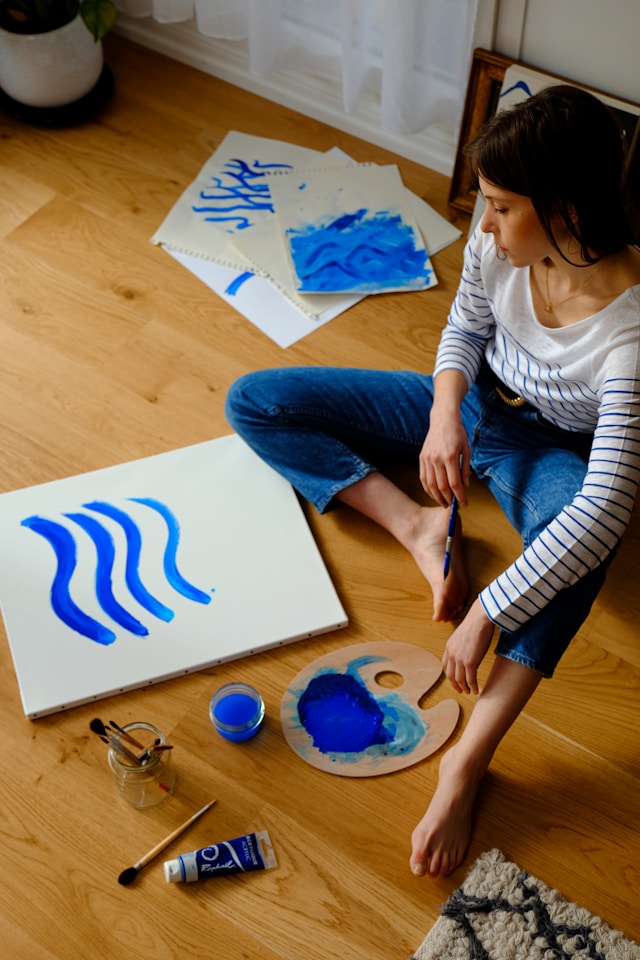
Art therapy engages participants in the process of creating visual art to express thoughts and feelings that may be difficult to articulate through words. It helps veterans externalize their experiences and gain new perspectives on their traumas. Art therapy sessions can include drawing, painting, sculpture, and collage-making.
- Pros: Non-verbal communication is particularly beneficial for those who struggle with verbal expression. Creating art can lead to immediate cathartic effects.
- Cons: Some veterans may feel intimidated by the idea of producing 'art' or judged on their skill level.
- When to Use: Art therapy is ideal when the participant is open to exploring emotions without the need for verbal articulation.
Music Therapy
Music therapy involves both active creation of music and receptive listening to foster emotional healing. Veterans engage in songwriting, instrument playing, or simply listening to music to elicit emotional release and introspection.
- Pros: Music’s universal appeal makes it accessible; it can also evoke powerful emotional responses that help process trauma.
- Cons: Not all individuals are musically inclined or interested in this medium, which might limit engagement.
- When to Use: Best for veterans who have a personal connection with music or who are open to auditory forms of expression.
Theater and Drama Therapy
Theater therapy, or drama therapy, involves role-playing and storytelling techniques that enable veterans to explore different facets of their identities and experiences through performance art.
- Pros: Provides a safe environment for veterans to reenact scenarios and gain different insights into their experiences.
- Cons: Requires a certain level of comfort with public performance; might be overwhelming for those with social anxiety.
- When to Use: Effective when participants are comfortable with group settings and are willing to explore their narratives actively.
Case Studies: Real-Life Transformations Through Art
The Impact of Art Therapy at the VA Hospital
A notable example of the success of art therapy is seen at the VA Hospital in New York, where a structured art program has led numerous veterans on journeys of self-discovery and healing. Through painting and sculpting, participants reported reductions in stress and anxiety levels, alongside improved self-esteem and personal insight.
The Role of Music Therapy at The Soldier's Chorus
The Soldier's Chorus initiative integrates music therapy into its recovery protocol for PTSD-afflicted veterans. In this program, veterans compose songs that narrate their stories. The therapeutic process provides an outlet for emotional expression while facilitating community building among participants who perform together in supportive environments.
Practical Tips for Implementing Creative Programs
- Create a Safe Environment: Ensure that spaces used for creative expression are welcoming and non-judgmental. Safety fosters creativity.
- Emphasize Process Over Product: Encourage participants to focus on the therapeutic process rather than the artistic outcome.
- Diversify Modalities: Offer multiple forms of creative expression to cater to varied interests and comfort levels among veterans.
Integrating Creative Therapies with Traditional Treatments
While creative expression programs offer significant benefits, they should not replace traditional therapies but rather complement them. Combining creative therapies with cognitive therapies like CBT can provide a holistic approach to treating PTSD. This integrative strategy leverages the strengths of each modality to offer comprehensive support tailored to individual needs.
The Future of Creative Expression in Veteran Care
The rise in popularity of creative expression programs signifies a paradigm shift in mental health treatment for veterans. These programs recognize the complexity of human emotions and offer innovative pathways for healing that resonate uniquely with each individual’s experiences. As research continues to validate these approaches, there is growing optimism about their role in augmenting traditional PTSD treatments.