
Harnessing the Power of Breath to Boost Focus During Competitive Events
The Importance of Breath in Athletic Performance
In the realm of competitive sports, athletes constantly search for ways to enhance their performance. A key area often overlooked is breath control. Breathing techniques can significantly influence an athlete’s endurance and focus. By understanding and harnessing these techniques, athletes can improve not just their physical output but also their mental game.
Breath Control Techniques: The Foundation
At its core, breathing is an automatic process. However, by consciously controlling it, athletes can tap into benefits such as increased oxygen efficiency and improved concentration. Here are several key techniques:
- Diaphragmatic Breathing: This technique involves deep breaths that fully engage the diaphragm. It allows for greater oxygen intake, stabilizing heart rate and promoting calmness.
- Box Breathing: Popularized by elite military units, this involves inhaling for four counts, holding for four, exhaling for four, and holding again. It helps manage stress and sharpen focus.
- Nasal Breathing: Breathing through the nose rather than the mouth can enhance lung function and maintain optimal CO2 levels, improving stamina.
Integrating Breath Control in Training Regimens
Integrating breath control into regular training enhances both physiological and psychological resilience. Let’s explore how elite athletes incorporate these techniques into their routines:
A Day in the Life of a Professional Runner
A typical day for a professional runner might involve starting with a warm-up session focused on diaphragmatic breathing to prepare the lungs for high-intensity activity. As they progress through their workout, incorporating nasal breathing helps maintain energy levels over long distances. Cool-downs might involve box breathing to aid recovery and mental clarity.
Swimmers and Breath Training
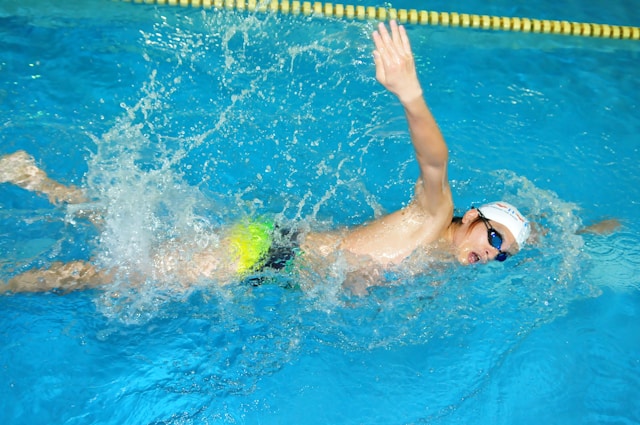
Swimmers are no strangers to breath control due to the nature of their sport. Many top swimmers practice hypoxic training—swimming with limited breaths—to increase their CO2 tolerance. Incorporating breathing drills both in and out of the water helps them manage anxiety during competitions.
The Science Behind Breath Control
Understanding the physiological effects of controlled breathing is crucial. Here’s a brief overview of how these techniques impact athletic performance:
- Oxygen Efficiency: Efficient breathing maximizes oxygen uptake and carbon dioxide expulsion, which delays fatigue.
- Nervous System Regulation: Breath control activates the parasympathetic nervous system, promoting relaxation and reducing stress hormones.
- Focus and Concentration: By anchoring attention on the breath, athletes can improve their mental focus, crucial during high-stakes moments.
Practical Tips for Athletes
Athletes at all levels can benefit from implementing breath work into their routines. Here are some practical tips to get started:
- Begin each session with a few minutes of diaphragmatic breathing to center yourself.
- Experiment with box breathing during stressful training scenarios to build mental resilience.
- Incorporate nasal breathing drills during runs or cycles to gradually improve endurance.
Case Study: Olympic Cyclists
Olympic cyclists often endure long periods of intense exertion. For them, breath control is paramount. Training regimens may include prolonged sessions focused solely on breathing techniques. By employing nasal breathing during climbs or sprints, these cyclists report better energy management and fewer instances of ‘bonking’ or hitting the wall.
The Mind-Body Connection
The interplay between breath control and mental clarity cannot be overstated. Athletes often mention entering a ‘flow state’ where they are completely absorbed in their activity. Breath control is a gateway to achieving this state, providing a rhythm that synchronizes the body and mind.
Conclusion: Harnessing Your Breath
The strategic use of breath control can transform athletic performance. While it requires discipline and practice, the rewards are evident in increased endurance, improved focus, and enhanced stress management. Whether you are an elite competitor or a weekend warrior, mastering your breath can be your secret weapon in competition.