Factors Influencing the Choice of Antidepressants in Diverse Patient Populations
Understanding Traditional Antidepressants: SSRIs
Selective Serotonin Reuptake Inhibitors (SSRIs) have long been the frontline treatment for depression, with notable examples including fluoxetine (Prozac) and sertraline (Zoloft). These medications function by increasing serotonin levels in the brain, which is believed to help improve mood.
Pros and Cons of SSRIs
SSRIs are widely prescribed due to their effectiveness and relatively mild side effect profile compared to older classes of antidepressants like tricyclics. However, they are not without drawbacks:
- Pros: Effective for a wide range of depression severities, well-researched, generally safe for long-term use.
- Cons: Can take several weeks to achieve full effect, potential side effects include nausea, insomnia, and sexual dysfunction.
Suitability of SSRIs
SSRIs are typically suitable for adults experiencing moderate to severe depression. They may also be appropriate for adolescents, though this requires careful monitoring due to potential increased risks of suicidal thoughts.
Innovative Treatments: Ketamine
Originally used as an anesthetic, ketamine has gained attention as a rapid-acting antidepressant, particularly beneficial for treatment-resistant depression.
Effectiveness of Ketamine
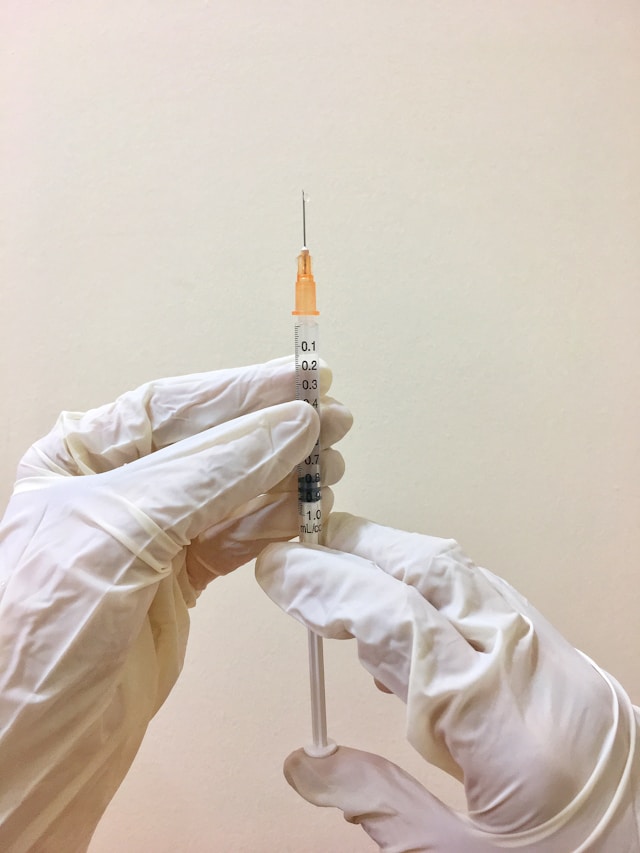
Ketamine works quickly, often within hours, providing relief from depressive symptoms. This is significantly faster than traditional antidepressants. It is administered either intravenously or as a nasal spray under medical supervision.
Potential Side Effects of Ketamine
The short-term use of ketamine can cause dissociation and increased blood pressure. Long-term effects are still being studied, necessitating caution in its use.
Patient Demographics for Ketamine
Ketamine is particularly useful for patients who have not responded to other treatments. It may also be suitable for those experiencing severe depressive episodes who need immediate relief.
The Emerging Role of Psilocybin
Psilocybin, the active compound in "magic mushrooms," is undergoing extensive research as a potential treatment for depression. Unlike traditional antidepressants, psilocybin is thought to facilitate profound changes in mood and perception during guided therapy sessions.
The Science Behind Psilocybin
Psilocybin targets serotonin receptors in the brain but through a different mechanism than SSRIs. Research suggests it can lead to lasting reductions in depressive symptoms after just one or two sessions.
Pros and Cons of Psilocybin Therapy
- Pros: Rapid onset of action, potential for long-term symptom relief after minimal doses.
- Cons: Still largely experimental, legal restrictions in many regions, potential for psychological distress if not properly guided.
Who Should Consider Psilocybin?
Psychedelic therapy with psilocybin may benefit individuals who have not responded to traditional therapies and are open to alternative methods. It is crucial that such treatments are conducted under the supervision of trained professionals to ensure safety and efficacy.
Factors Influencing Treatment Choice
The choice between these treatments depends on various factors including patient history, severity of depression, comorbid conditions, and personal preferences. Here's how different patient profiles might approach treatment:
- First-time Patients: Typically start with SSRIs due to their established safety profile.
- Treatment-resistant Individuals: May explore ketamine or psilocybin as alternatives.
- Elderly Patients: Might avoid newer treatments due to limited research on long-term effects in this age group.
Conclusion: A Personalized Approach
No single antidepressant is universally effective, emphasizing the need for personalized treatment plans. Healthcare providers must weigh the benefits and risks of each option in relation to the specific needs of their patients, fostering open discussions about emerging therapies such as ketamine and psilocybin alongside traditional options like SSRIs.