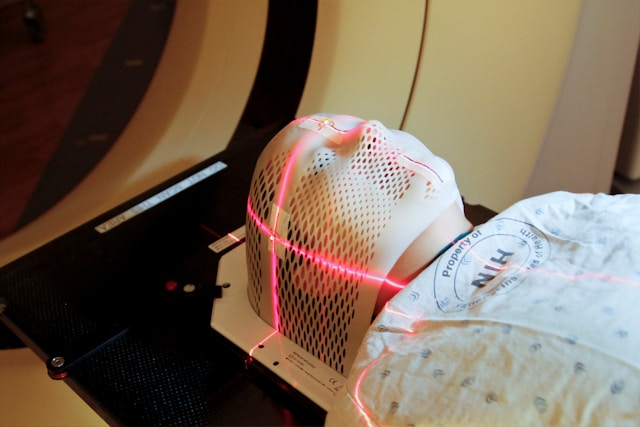
Exploring the Impact of Community Outreach on Preventive Health Services
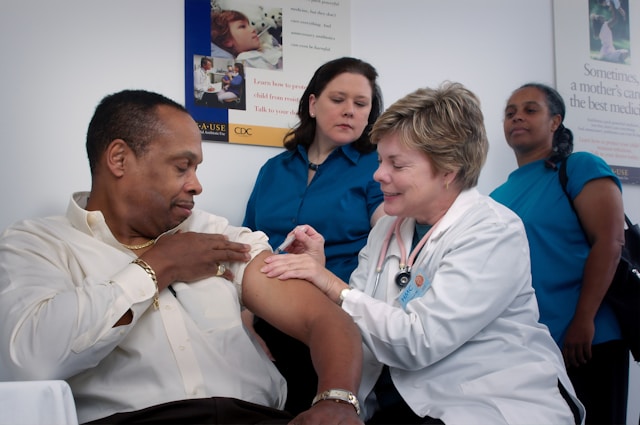
The Power of Community in Preventive Health
Preventive health care aims to avert diseases or detect them early, enhancing health outcomes and reducing long-term healthcare costs. However, access and participation in preventive health services have been challenging for many communities. Community outreach has emerged as a crucial strategy in overcoming these challenges, successfully increasing participation in preventive health screenings.
Across the globe, community-driven programs have made significant strides in promoting preventive health services. They leverage local resources, networks, and culturally tailored strategies to reach underserved populations. This article explores several successful initiatives that exemplify the impact of community outreach on preventive health services.
Case Study: The Rural Health Initiative
In the remote areas of Texas, the Rural Health Initiative (RHI) was launched in 2015 to address the low participation in preventive screenings among rural populations. This program was spearheaded by a coalition of local healthcare providers, government agencies, and community leaders.
Strategy and Implementation
- Mobile Health Clinics: RHI utilized mobile health clinics to provide accessible services directly in rural communities. These clinics offered free screenings for conditions such as diabetes, hypertension, and cholesterol levels.
- Cultural Competency Training: Healthcare providers received training to deliver culturally sensitive care. This training included understanding local languages and customs, fostering trust between patients and providers.
- Community Health Workers: Local community members were trained as health workers to educate their peers about the importance of preventive screenings, breaking down barriers of mistrust and misinformation.
The initiative led to a 40% increase in screening participation over three years. Additionally, early detection rates for diabetes and hypertension increased by over 30%, underscoring the critical role of culturally informed outreach in preventive care.
Empowering Urban Communities: The City Health Project
In densely populated urban centers like New York City, reaching diverse ethnic communities with preventive health services can be challenging. The City Health Project (CHP), initiated in 2018, addressed this challenge by collaborating with local nonprofits and community centers.
Engagement and Outreach Techniques
- Health Fairs: CHP organized regular health fairs in neighborhood parks and community centers, offering free blood pressure checks, cancer screenings, and nutrition counseling.
- Linguistic Accessibility: All educational materials and communications were translated into multiple languages spoken within the community, including Spanish, Mandarin, and Arabic.
- Partnerships with Local Leaders: CHP worked closely with community leaders and religious figures to endorse and promote the importance of preventive health measures.
The project saw a 25% rise in participation in preventive health activities within two years. Moreover, it significantly improved the relationship between healthcare providers and community members, facilitating better health outcomes through early intervention.
The Role of Technology: Digital Outreach Initiatives
The digital age presents unique opportunities to enhance community outreach for preventive health services. Organizations have turned to technology to broaden their reach and engagement. A notable example is the Preventive Health Alliance (PHA), which utilizes digital platforms to promote health screenings among millennials and Gen Z.
Digital Strategies for Engagement
- Social Media Campaigns: PHA launched campaigns on platforms like Instagram and TikTok to share relatable content about the importance of regular health check-ups and screenings.
- Online Scheduling Tools: An easy-to-use online portal was developed to help users find local screening events and book appointments directly from their devices.
- Telehealth Consultations: PHA partnered with telemedicine providers to offer virtual consultations where individuals could discuss their screening results with healthcare professionals from the comfort of their homes.
The initiative's success is reflected in its wide reach—garnering over 500,000 interactions on social media and increasing screening bookings by 15% within its first year.
Overcoming Challenges in Community Outreach
While these programs showcase promising results, they also encounter several challenges that need addressing to maximize their impact:
- Funding Limitations: Sustaining outreach programs requires ongoing financial support. Many rely on grants or donations, which can be inconsistent.
- Cultural Barriers: Despite best efforts, some cultural beliefs may hinder participation. Tailored education campaigns are essential to overcome skepticism.
- Measuring Success: Evaluating the impact of outreach initiatives can be complex. Comprehensive metrics beyond participation rates are necessary to gauge long-term health outcomes.
Tackling these challenges demands collaborative effort from stakeholders at all levels—from policy makers to grassroots organizations.
The Future of Community-Driven Preventive Care
The success stories outlined above illustrate the profound impact that community outreach can have on increasing participation in preventive health services. By meeting communities where they are, respecting cultural nuances, and harnessing technology, these programs lay a foundation for healthier futures.
The ongoing evolution of community outreach strategies will likely see increased integration with technology, expanded partnerships with non-traditional stakeholders like tech firms, and even greater focus on tailoring approaches to specific community needs. As we look forward, continued innovation and commitment will be key to ensuring that preventive care is accessible, equitable, and effective for all.