Contrasting brain responses: Art therapy compared to conventional therapeutic approaches
Exploring the Brain's Response to Art Therapy
Art therapy, a unique form of treatment that integrates creative processes with psychological care, has been gaining attention for its potential to influence brain activity and improve emotional well-being. By engaging in artistic expression, individuals can tap into non-verbal modes of communication, often revealing insights that traditional talk therapies might not access. Recent advances in neuroimaging provide a clearer picture of how art therapy affects the brain, offering new perspectives on its effectiveness.
Neuroimaging Insights
Functional magnetic resonance imaging (fMRI) and positron emission tomography (PET) have become invaluable tools in understanding how art therapy influences brain activity. Studies indicate that art-making activates multiple brain regions, including those associated with emotions, decision-making, and pleasure. For instance, creating art can increase activity in the prefrontal cortex, which is involved in executive function and emotional regulation.
One study observed participants engaged in drawing activities and noted heightened connectivity between the brain's default mode network and areas responsible for sensory input. This suggests that art therapy not only enhances focus but also facilitates a more integrative neural experience. Such findings are crucial in developing art therapy protocols tailored to specific mental health conditions.
Comparing Art Therapy to Conventional Methods
Traditional therapeutic approaches, such as cognitive-behavioral therapy (CBT) and psychodynamic therapy, primarily rely on verbal communication to explore thoughts and behaviors. While these methods are effective for many, they may not suit everyone, especially those who struggle to articulate their emotions or traumas.
Cognitive Behavioral Therapy (CBT)
CBT focuses on identifying and modifying negative thought patterns and behaviors. It is particularly effective for treating depression and anxiety disorders. However, its reliance on verbal communication can be a barrier for individuals with language limitations or those uncomfortable with self-disclosure.
Psychodynamic Therapy
This approach delves into unconscious processes and past experiences influencing current behavior. While it offers deep insights, it can be a lengthy process and may not provide immediate relief from symptoms.
Art Therapy's Role in Treating PTSD and Depression
Post-traumatic stress disorder (PTSD) and depression are two conditions where art therapy has shown significant promise. These disorders often involve emotional numbness or avoidance, making non-verbal expression through art particularly beneficial.
Treating PTSD with Art Therapy
For PTSD patients, art therapy can serve as a bridge to accessing traumatic memories in a safe environment. Creating visual narratives allows individuals to express complex emotions without needing to relive trauma verbally. Neuroimaging studies have shown that engaging in art-making can reduce activity in the amygdala, the brain's fear center, suggesting a decrease in anxiety levels.
Addressing Depression
Art therapy can help alleviate depressive symptoms by providing a sense of accomplishment and enhancing self-esteem through the creative process. The act of creating art stimulates dopamine release, contributing to feelings of pleasure and reward. Patients often report improved mood and increased motivation following art sessions.
Implementing Art Therapy: Practical Considerations
While the benefits of art therapy are compelling, successful implementation requires careful consideration of several factors:
- Training and Certification: Art therapists should be certified professionals who have undergone specialized training in both psychological principles and artistic techniques.
- Personalized Approach: Tailor art therapy sessions to individual needs, considering personal preferences and comfort levels with different art forms.
- Setting Goals: Establish clear therapeutic goals at the outset to measure progress effectively.
A Sample Workflow for Art Therapy Sessions
A typical art therapy session might follow this structure:
- Introduction: The therapist introduces the session's theme or objective.
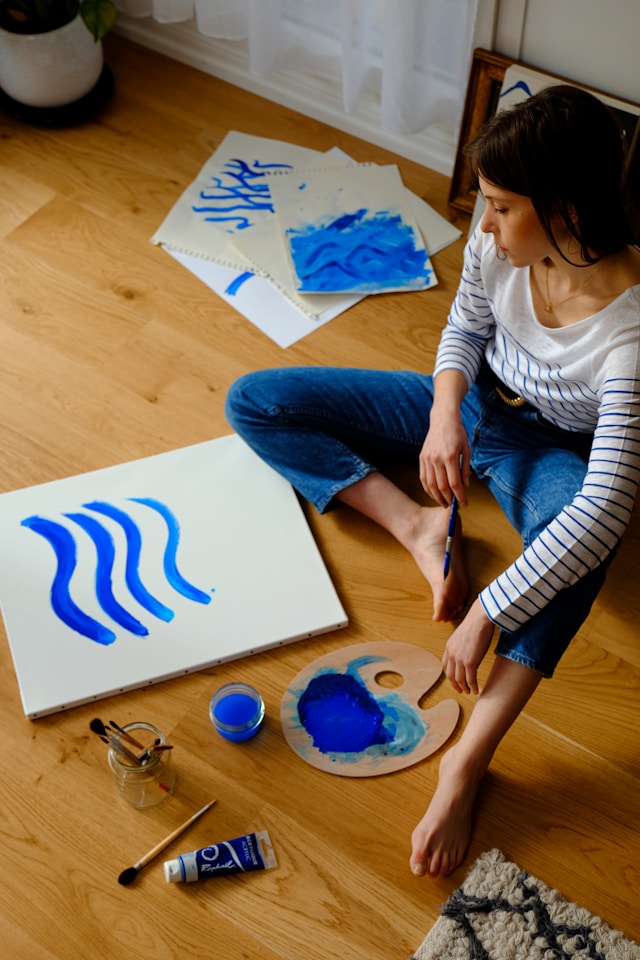
- Art Activity: Participants engage in a creative task such as painting or sculpting.
- Reflection: After completing the artwork, individuals discuss their creations and any emotions that arose during the process.
- Feedback and Adjustment: The therapist provides feedback and adjusts future sessions based on the individual's responses and progress.
Conclusion: A Complementary Approach
While traditional therapies remain vital in treating mental health conditions, art therapy offers a complementary approach that taps into the brain's creative potential. By harnessing the power of art, individuals can explore their inner worlds in ways that are both healing and transformative. As more research emerges, art therapy is poised to play an increasingly integral role in holistic mental health care strategies.