
Community Gardening as a Tool for Enhancing Urban Resident Wellbeing
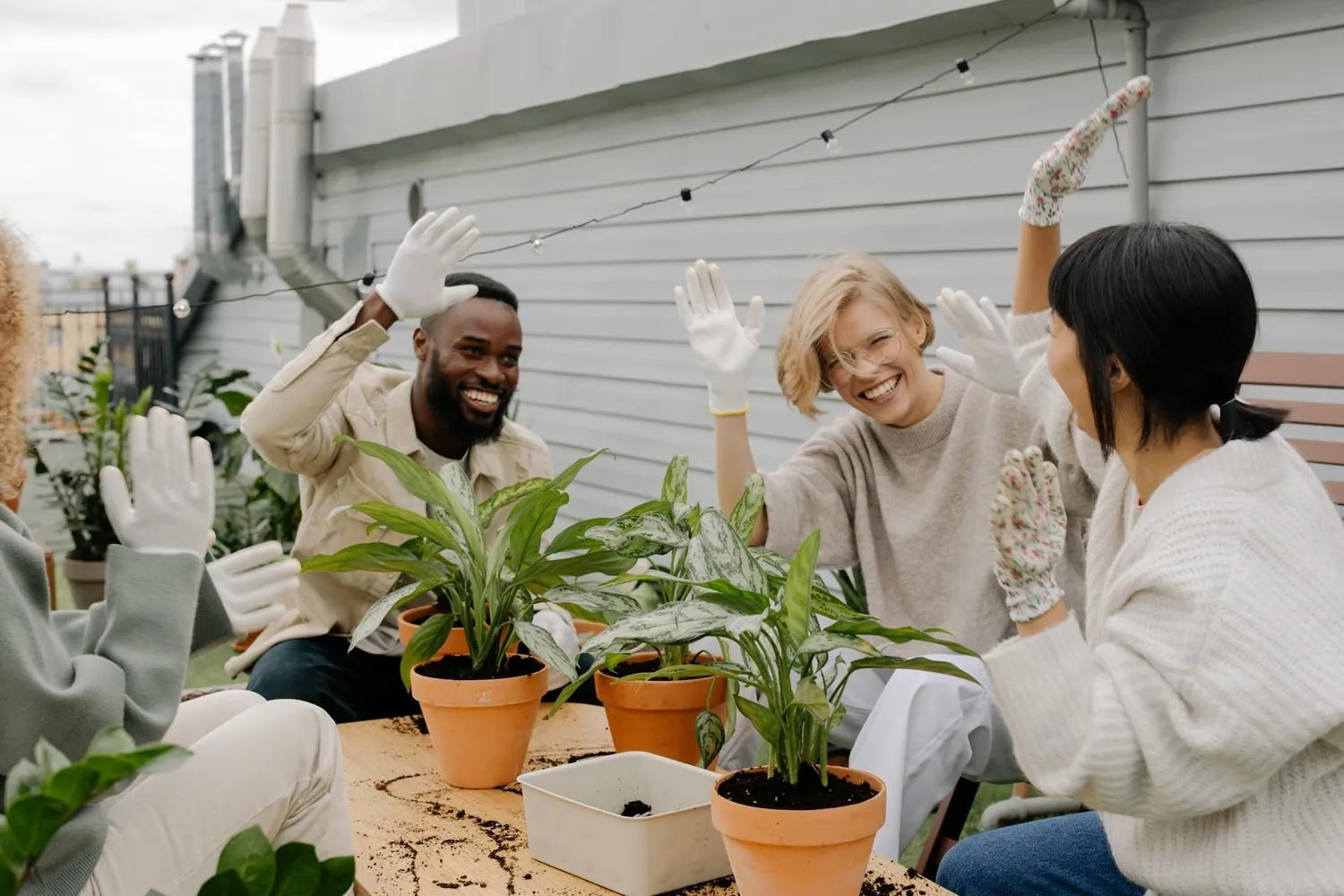
The Growing Trend of Urban Community Gardens
In recent years, community gardening has become a pivotal movement in urban areas across the globe. Not only does it provide a much-needed green space in concrete jungles, but it also fosters a strong sense of community and enhances the well-being of its participants. From rooftop gardens to converted vacant lots, these green sanctuaries offer a reprieve from urban life while promoting both physical and mental health.
Urban residents are increasingly turning to community gardens as a means to connect with nature, cultivate fresh produce, and build relationships with neighbors. But beyond these benefits, community gardening is being recognized for its profound impact on mental health and overall well-being.
Physical Health Benefits of Community Gardening
Engaging in community gardening is an excellent form of physical exercise. The activities involved—such as digging, planting, weeding, and watering—contribute to a full-body workout. According to the Centers for Disease Control and Prevention (CDC), gardening is considered moderate-intensity physical activity, which can burn approximately 300 calories per hour.
- Cardiovascular Health: Regular physical activity like gardening can improve cardiovascular health by strengthening the heart, reducing cholesterol levels, and lowering blood pressure.
- Muscle Strength: The diverse movements in gardening strengthen different muscle groups, improving flexibility and endurance.
- Weight Management: Consistent involvement in gardening helps manage weight by burning calories and building muscle mass.
A Case Study: The Brooklyn Grange Rooftop Farm
The Brooklyn Grange Rooftop Farm in New York City serves as an exemplary model of urban community gardening. It spans over two rooftops and has been influential in promoting physical activity among its volunteers and visitors. The farm not only produces fresh organic vegetables but also hosts educational workshops that encourage healthy living.
Mental Health and Community Gardening
The mental health benefits of community gardening are vast and varied. For many urban dwellers, the opportunity to disconnect from technology and engage with nature provides a significant reduction in stress and anxiety. Studies have shown that spending time in nature can lead to improved mood, reduced symptoms of depression, and increased feelings of well-being.
- Stress Relief: The act of gardening has been found to decrease cortisol levels, the body’s primary stress hormone.
- Mindfulness: Gardening requires focus on the present moment, similar to meditation, which can enhance mindfulness and reduce negative thoughts.
- Social Interaction: Building connections with fellow gardeners provides emotional support and reduces feelings of isolation.
A Transformative Experience: Chicago’s Southside Blooms
Chicago’s Southside Blooms has transformed vacant lots into vibrant flower farms. This initiative has not only beautified neighborhoods but also provided therapeutic benefits to residents. Participants have reported feeling more connected to their community, experiencing less stress, and having an improved outlook on life.
How Community Gardening Fosters Social Cohesion
Community gardens are melting pots for diverse groups of people who might not otherwise cross paths. By working together toward a common goal, individuals from varied backgrounds learn to communicate, collaborate, and support one another. These interactions strengthen community ties and foster social inclusion.
- Empowerment: Involving community members in decision-making processes related to the garden empowers them and instills a sense of ownership.
- Cultural Exchange: Sharing gardening techniques and cultural traditions enriches the community’s diversity and promotes mutual understanding.
The Process of Creating a Successful Community Garden
- Assess Community Needs: Conduct surveys or meetings to understand the desires and needs of potential gardeners.
- Find a Suitable Location: Secure access to land that is safe and accessible for all participants.
- Formulate a Plan: Design the layout of the garden, deciding on crop selection, plot divisions, and communal areas.
- Engage Stakeholders: Involve local businesses, schools, and organizations for support, funding, or expertise.
- Implement and Maintain: Organize regular workdays, meetings, and events to maintain the garden's upkeep and keep the community engaged.
The Role of Policy Makers in Supporting Community Gardens
Local governments play a crucial role in facilitating the development of community gardens. They can provide resources such as land access, grants for tools and seeds, and educational programs. Policy makers can also integrate gardens into urban planning to ensure they are a permanent fixture in city landscapes.
- Zoning Laws: Revising zoning laws to accommodate urban agriculture supports the establishment of more gardens.
- Sustainability Initiatives: Encouraging sustainable practices in gardens can be part of broader environmental goals.
A Path Forward: Recommendations for Urban Areas
- Increase Funding: Allocate municipal funds towards the development and maintenance of community gardens.
- Educational Outreach: Implement programs in schools to educate students on gardening skills and nutrition.
- Partnerships with Non-Profits: Collaborate with non-profit organizations dedicated to urban agriculture for additional resources and support.
Conclusion: Cultivating Healthier Urban Environments
Community gardening is much more than just growing plants; it’s about cultivating healthier communities. Through physical activity, mental relaxation, and social interaction, these gardens offer a holistic approach to well-being for urban residents. As cities continue to expand, integrating green spaces like community gardens into urban planning becomes not just beneficial but essential for fostering vibrant, resilient communities.