Case Studies on Mediterranean Diet and Cardiovascular Improvements in Seniors
The Promise of the Mediterranean Diet for Cardiovascular Health
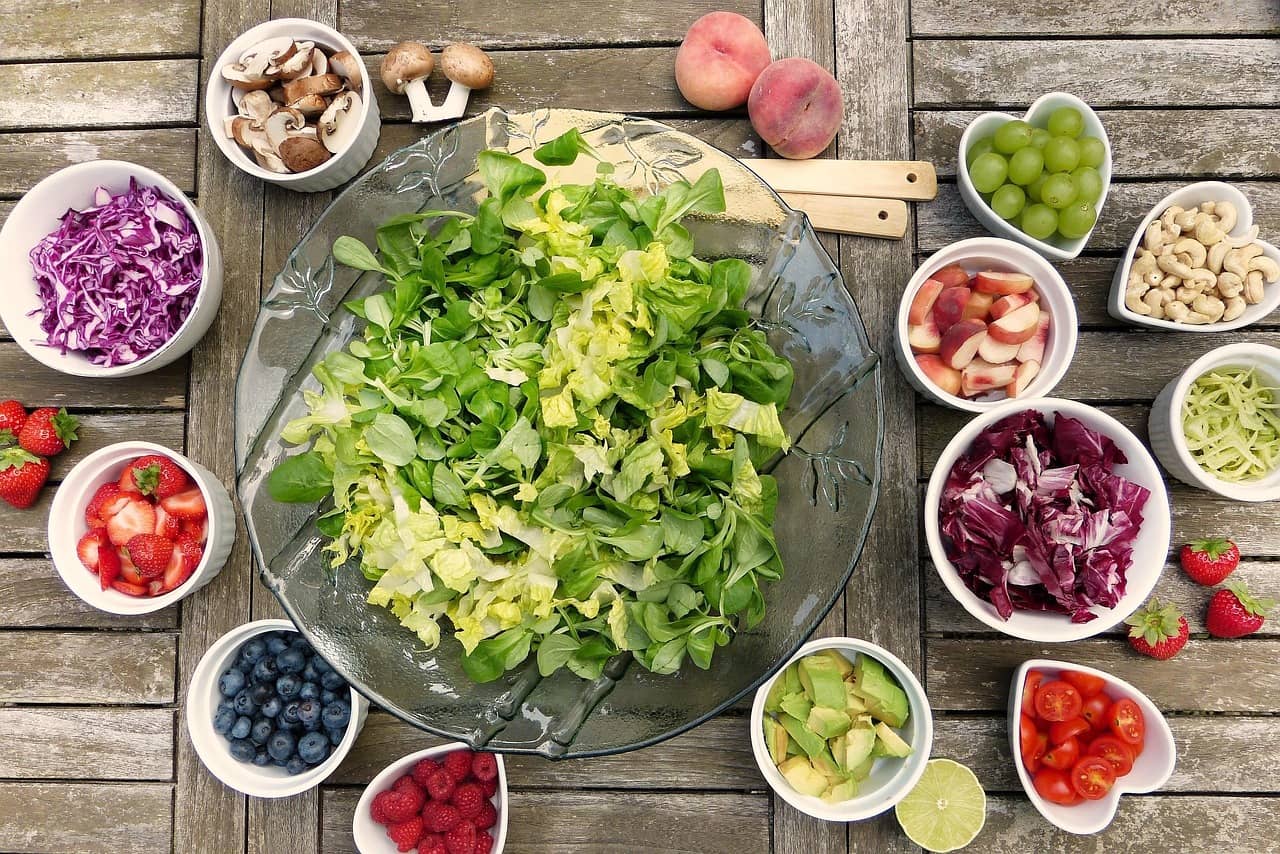
The Mediterranean diet, characterized by its emphasis on fruits, vegetables, whole grains, legumes, nuts, and olive oil, has been the subject of numerous studies highlighting its potential health benefits. This dietary pattern is rich in unsaturated fats, fibers, and antioxidants, which collectively contribute to improved cardiovascular health. In seniors, the importance of a heart-healthy diet cannot be overstated, given the increased risk of cardiovascular diseases with age.
The Core Components of the Mediterranean Diet
- Fruits and Vegetables: Essential sources of vitamins, minerals, and antioxidants.
- Whole Grains: High in fiber, aiding digestion and reducing cholesterol levels.
- Legumes: Rich in protein and nutrients while being low in fat.
- Nuts and Seeds: Provide healthy fats and protein, improving lipid profiles.
- Olive Oil: A source of monounsaturated fats that support heart health.
These elements work synergistically to enhance lipid profiles, reduce inflammation, and improve endothelial function, all of which are crucial for maintaining cardiovascular health in seniors.
Case Study 1: Improved Lipid Profiles in an 80-Year-Old Patient
An 80-year-old male patient from Italy presented with elevated cholesterol levels and a history of hypertension. Despite medication, his cholesterol levels remained high. Upon adopting the Mediterranean diet under medical guidance, significant improvements were noted within six months. Total cholesterol decreased by 18%, LDL cholesterol by 22%, and HDL cholesterol increased by 10%.
Implementation Strategy:
- Gradual replacement of saturated fats with olive oil.
- Increased intake of plant-based foods such as beans and lentils.
- Consistent incorporation of fish into weekly meals.
This case underscores the potential of the Mediterranean diet to effectively modulate lipid profiles, offering a natural complement to pharmacological treatments.
Case Study 2: Reduction in Blood Pressure in a 75-Year-Old Female
A 75-year-old female with persistent high blood pressure despite taking antihypertensives began a structured Mediterranean diet plan. Her systolic blood pressure dropped by an average of 12 mmHg, and diastolic pressure decreased by 8 mmHg over four months. She also reported increased energy levels and better overall well-being.
Nutritional Adaptations:
- Daily consumption of leafy greens like spinach and kale.
- Limited intake of red meats; replaced with fish and poultry.
- Introduction of potassium-rich foods such as bananas and sweet potatoes.
This example highlights how dietary changes can lead to significant improvements in blood pressure management among seniors.
Scientific Evidence Supporting the Mediterranean Diet
The benefits observed in these case studies are supported by broader scientific research. Studies suggest that individuals adhering to the Mediterranean diet have a reduced risk of cardiovascular mortality by approximately 25-30% compared to those who follow a typical Western diet. A pivotal study published in The New England Journal of Medicine involving over 7,000 participants found that those on the Mediterranean diet had significantly fewer heart attacks and strokes over a five-year period.
Mechanisms at Play
The diet’s rich polyphenol content is thought to contribute to its anti-inflammatory effects. Olive oil, for instance, contains oleic acid and polyphenols that improve endothelial function. Moreover, the high fiber content from fruits, vegetables, and whole grains aids in maintaining healthy blood sugar levels and supports gut health.
Practical Tips for Seniors Adopting the Mediterranean Diet
Transitioning to a new dietary pattern can be daunting for seniors. Here are some practical tips to facilitate this change:
- Start Slow: Gradually incorporate more plant-based meals into your routine to ease the transition.
- Create Meal Plans: Plan meals ahead to ensure balanced nutrition throughout the week.
- Engage in Social Cooking: Cooking with family or friends can make dietary changes more enjoyable and sustainable.
Potential Challenges and Solutions
Seniors may face challenges such as limited mobility affecting grocery shopping or cooking fatigue. To address these issues:
- Utilize Delivery Services: Many supermarkets offer delivery services which can be incredibly helpful.
- Simplify Recipes: Focus on simple recipes that require fewer ingredients and preparation time.
These strategies help ensure that seniors can comfortably maintain their commitment to the Mediterranean diet.
Conclusion: A Pathway to Longevity
The Mediterranean diet offers a sustainable pathway to improve cardiovascular health among seniors. Through case studies, we have observed its efficacy in real-world settings. While it is not a substitute for prescribed medications, it serves as a potent adjunct therapy that promotes overall well-being. For seniors aiming to enhance their quality of life through nutrition, adopting the Mediterranean diet could be a transformative step toward achieving long-term health goals.