
Boosting Digestion: The Benefits of Walking After Eating Meals
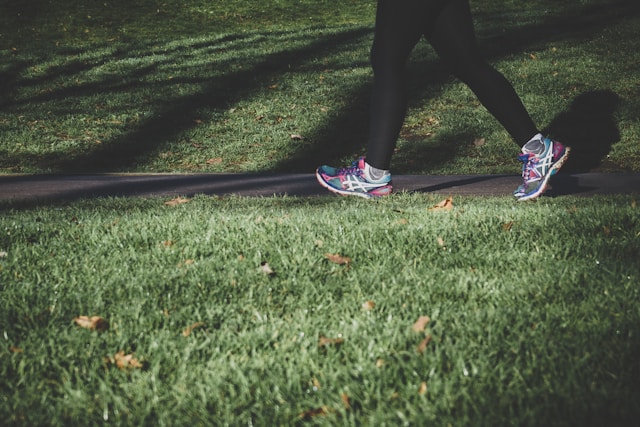
The Digestive Perks of Post-Meal Walking
Incorporating a short walk after eating can significantly enhance your digestion and overall health. This practice is grounded in both traditional wisdom and modern science, as moderate physical activity like walking has been shown to stimulate the digestive process and promote well-being.
How Walking Aids Digestion
Walking gently accelerates the movement of food through the stomach and intestines, facilitating better digestion. This is largely due to the increased blood flow to digestive organs and the gentle stimulation of gut muscles. This activity helps in reducing symptoms like bloating and heartburn, making it a simple yet effective strategy for better digestive health.
Practical Tips for Integrating Walks Into Your Routine
Start Small and Build Up
If you are new to post-meal walks, start with a manageable duration, such as five to ten minutes. Gradually increase this time as it becomes a comfortable habit. Consistency is key; try to incorporate this into at least one meal per day before expanding to others.
Choose the Right Time
Aim to start your walk about 10–15 minutes after finishing your meal. This allows some initial digestion in the stomach before promoting further activity in the intestines.
- For breakfast, consider a light stroll around your neighborhood or office building.
- After lunch, walk around your workplace or step outside for fresh air if possible.
- For dinner, take a leisurely walk with family or a pet to wind down for the evening.
Select Comfortable Locations
Choose a safe, pleasant location for your walks. A local park, a pedestrian-friendly street, or even an indoor mall during inclement weather are excellent choices. The goal is to enjoy this time without stress or distractions.
Benefits Beyond Digestion
Improved Metabolic Health
Walking after meals helps regulate blood sugar levels, which is particularly beneficial for individuals with insulin sensitivity issues or diabetes. By improving glucose uptake into cells, post-meal walks can reduce blood sugar spikes that typically occur after eating.
Mental Health Boost
Physical activity releases endorphins, contributing to improved mood and reduced stress levels. A short walk can offer a moment of peace and mental clarity, effectively clearing your mind and setting a positive tone for the rest of your day.
Comparing Different Approaches to Post-Meal Activity
Walking vs. Vigorous Exercise
While both walking and more intense exercises can aid digestion, walking is preferred immediately post-meal due to its moderate intensity. Vigorous activities might divert blood from the digestive tract to the muscles, counteracting digestion.
- Pros of Walking: Gentle on the body, easy to integrate daily, promotes immediate post-meal digestion.
- Cons of Vigorous Exercise: May cause discomfort if performed too soon after eating, potentially hindering digestion.
Sitting vs. Walking
Sitting after meals is common but can slow down digestion due to reduced muscle contractions in the gut. In contrast, walking stimulates these contractions and encourages quicker passage of food through the system.
- Pros of Walking: Actively supports digestion and prevents post-meal lethargy.
- Cons of Sitting: May lead to prolonged digestion time and increased risk of heartburn or bloating.
Personalizing Your Walking Routine
Listening to Your Body
Your body will guide you on what feels best. Pay attention to how your body reacts to different durations and intensities of walking post-meals and adjust accordingly. If you feel discomfort or fatigue, opt for shorter, slower walks.
Incorporate Mindfulness
Use your walk as an opportunity for mindfulness. Focus on your breathing, the rhythm of your steps, or the natural environment around you. This dual benefit of enhancing both mental focus and physical health can significantly improve your quality of life.
Conclusion: Small Steps for Big Health Gains
Integrating short walks into your daily routine post-meals offers numerous health benefits ranging from enhanced digestion to improved mood and metabolic health. By starting small and gradually increasing your walking time, you can make this practice a sustainable part of your wellness journey. Remember, every step counts towards better health.