Best Practices for Achieving Optimal Nutrition on a Plant-Based Diet
Understanding the Basics of a Plant-Based Diet
A plant-based diet centers around foods derived from plants, including vegetables, fruits, grains, nuts, seeds, and legumes. This dietary choice has gained popularity due to its potential health benefits, ethical considerations, and environmental sustainability.
Core Components of a Plant-Based Diet
While following a plant-based diet, it's crucial to focus on the essential nutrients that support overall health. These include:
- Proteins: Legumes like beans and lentils are excellent sources of protein. Quinoa and tofu also provide adequate amounts.
- Vitamins and Minerals: Vitamins B12 and D, iron, calcium, and omega-3 fatty acids should be prioritized. Fortified foods and supplements can help meet these needs.
- Fiber: A variety of fruits and vegetables not only add flavor but also increase fiber intake, supporting digestive health.
Ensuring Adequate Protein Intake
One of the main concerns on a plant-based diet is acquiring sufficient protein. Fortunately, there are numerous plant-based sources available:
High-Protein Plant Foods
- Chickpeas: Versatile and nutritious, chickpeas can be added to salads, curries, or made into hummus.
- Lentils: Packed with protein and fiber, lentils are perfect in soups, stews, and even as a base for burgers.
- Tofu and Tempeh: These soy products are rich in protein and can be marinated and cooked in various styles.
Combining Foods for Complete Proteins
To obtain all essential amino acids, combine different plant proteins. For instance, rice and beans together create a complete protein profile.
Vitamins and Minerals: Focus on What Matters
While plant-based diets are generally high in many vitamins and minerals, some nutrients require special attention to avoid deficiencies.
The Role of Vitamin B12
Vitamin B12 is not naturally found in plant foods but is crucial for nerve function and red blood cell formation. Consider fortified foods like cereals or plant milks or take a B12 supplement.
Iron Absorption Strategies
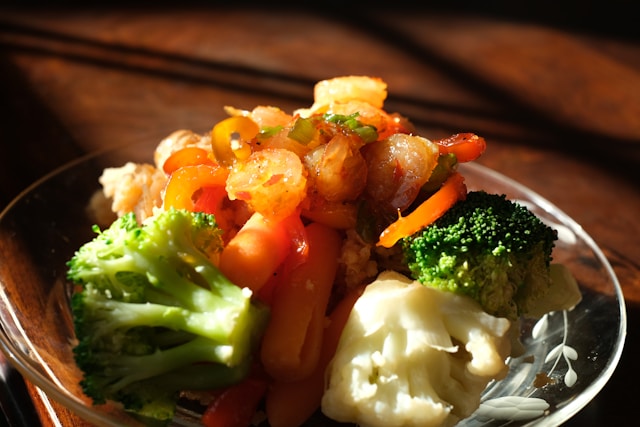
Plant-based iron (non-heme iron) is less easily absorbed than animal-derived iron. Enhance absorption by consuming vitamin C-rich foods alongside iron-rich ones. For example, add bell peppers to your spinach salad.
Designing Balanced Meals: A Mini-Framework
A structured approach to meal planning ensures nutritional completeness while keeping meals exciting and varied.
Prioritizing Variety
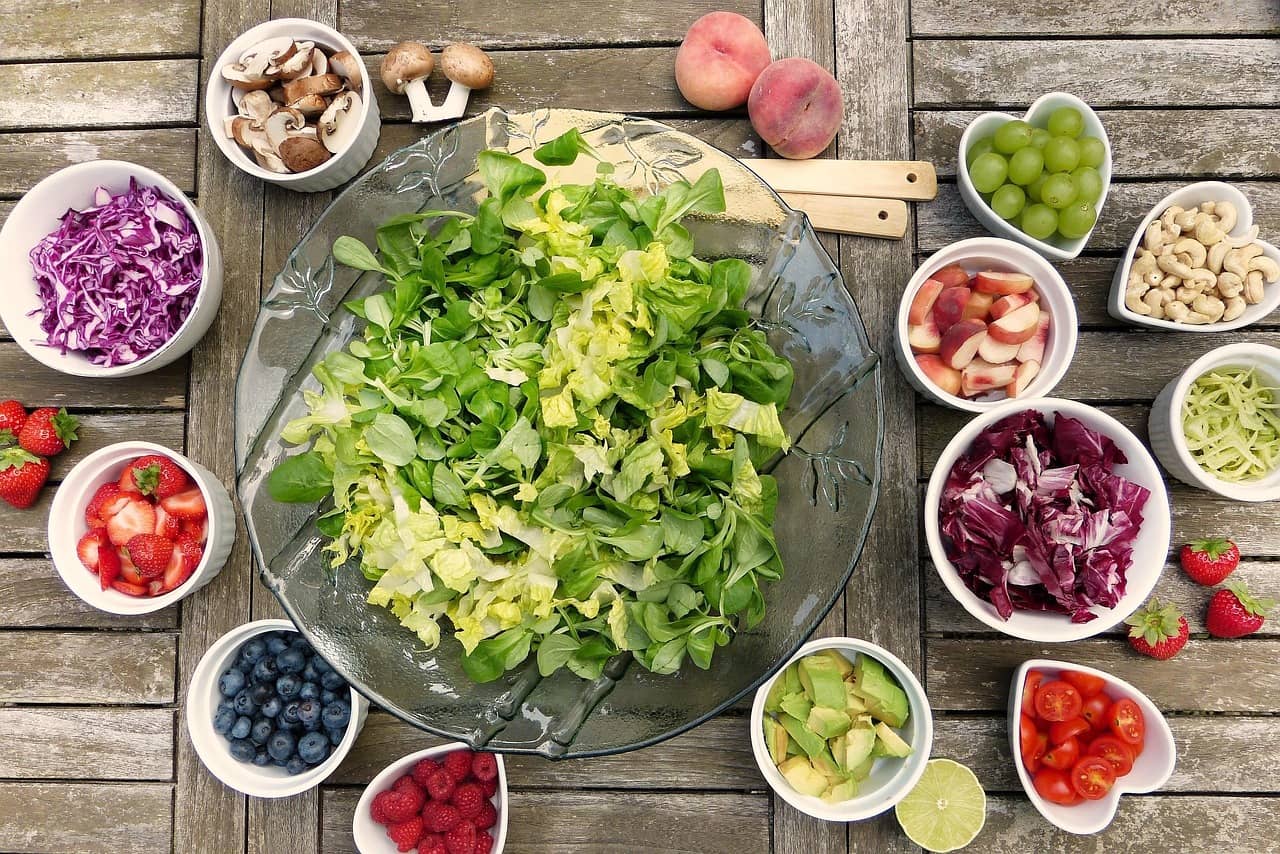
Diversity is key in preventing nutrient deficiencies. Incorporate a rainbow of colors from fruits and vegetables in your meals to cover a wide range of nutrients.
Embrace Seasonal Ingredients
Not only do seasonal fruits and vegetables taste better, but they are also often more affordable and sustainable. Plan meals around what's fresh at your local market.
Creating Simple Recipes
Simplicity doesn't equate to boring meals. Here are two quick recipe ideas:
- Quinoa Salad Bowl: Mix cooked quinoa with chopped tomatoes, cucumber, avocado, black beans, corn, lime juice, and cilantro for a refreshing salad.
- Lentil Soup: Sauté onions, garlic, and carrots. Add vegetable broth and red lentils. Simmer until lentils are tender. Season with cumin and garnish with parsley.
Practical Tips for Everyday Meal Planning
Transitioning to or maintaining a plant-based diet is smoother with strategic planning. Here’s a quick checklist to keep you on track:
- Create a weekly menu: Plan breakfasts, lunches, dinners, and snacks to ensure balanced nutrition each day.
- Batch cooking: Prepare large quantities of staples like beans or grains ahead of time to reduce weekday stress.
- Keep it diverse: Rotate between different plant proteins such as legumes one week and tofu the next.
Avoiding Common Pitfalls
A well-planned plant-based diet can be incredibly healthy, but certain pitfalls can lead to nutrient gaps or imbalances.
Mindful Eating Without Excessive Processed Foods
Avoid over-relying on processed vegan products which might be high in sodium or sugar. Aim for whole foods whenever possible.
Pacing Changes Appropriately
If new to plant-based eating, make gradual changes instead of overhauling your diet overnight. This gives your body time to adjust to new food types and fiber levels.
The Journey Towards Optimal Plant-Based Nutrition
A successful transition to a plant-based diet involves ongoing learning and adjustment. By focusing on balanced nutrition through diverse food choices, ensuring adequate intake of critical nutrients, and employing practical meal planning strategies, you can enjoy the numerous benefits this diet has to offer.