Benefits and Drawbacks of Raw versus Cooked Vegetables for Nutrient Bioavailability
Understanding Nutrient Bioavailability
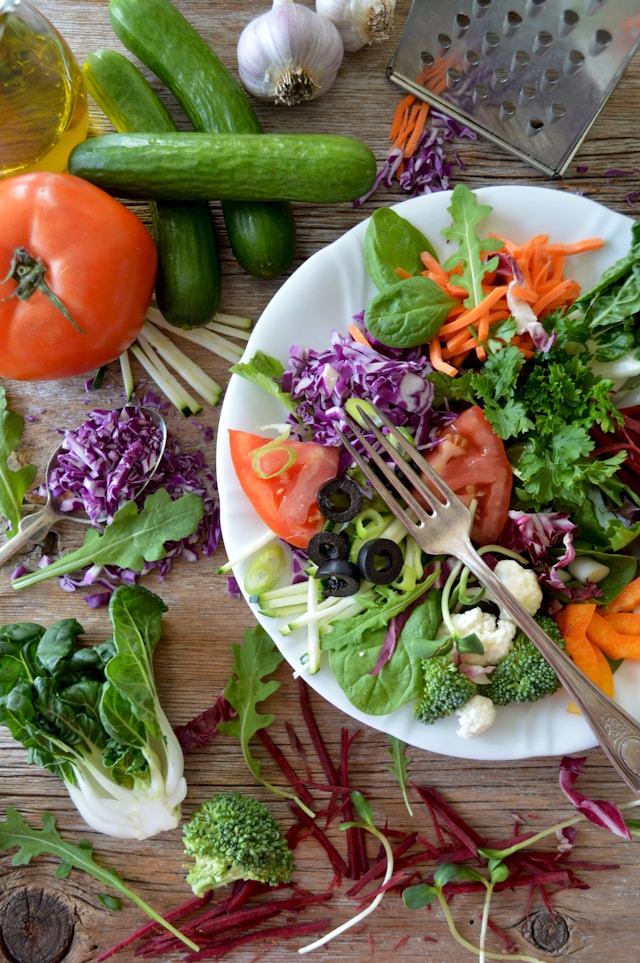
Nutrient bioavailability refers to the proportion of a nutrient that is absorbed and utilized by the body. For individuals following a plant-based diet, maximizing nutrient absorption is crucial for maintaining optimal health. Both raw and cooked vegetables offer unique benefits and challenges in terms of bioavailability, and understanding these can help make more informed dietary choices.
Raw Vegetables: Benefits and Drawbacks
Advantages of Raw Vegetables
Raw vegetables are rich in enzymes that can aid digestion. For example, broccoli contains the enzyme myrosinase, which helps form sulforaphane, a compound believed to have cancer-preventive properties. When broccoli is eaten raw, myrosinase activity is preserved, enhancing sulforaphane availability.
Additionally, raw vegetables typically retain higher levels of vitamin C, which is heat-sensitive. Consuming raw bell peppers, for example, can provide a potent dose of this essential vitamin.
Drawbacks of Raw Vegetables
Despite their benefits, raw vegetables can pose some challenges. Certain nutrients become more bioavailable when vegetables are cooked. For instance, lycopene, an antioxidant found in tomatoes, becomes more accessible after cooking.
Moreover, the fiber content in raw vegetables can sometimes inhibit nutrient absorption. Phytic acid, found in raw seeds and legumes, can bind minerals such as calcium and magnesium, reducing their absorption.
Cooked Vegetables: Benefits and Drawbacks
Advantages of Cooked Vegetables
Cooking vegetables can enhance the bioavailability of several nutrients. For example, steaming or lightly boiling carrots increases the availability of beta-carotene, an important precursor to vitamin A. Similarly, cooking spinach breaks down oxalic acid, a compound that can inhibit the absorption of iron and calcium.
Furthermore, cooking methods like steaming and blanching can soften vegetable fibers, making them easier to digest for individuals with sensitive stomachs.
Drawbacks of Cooked Vegetables
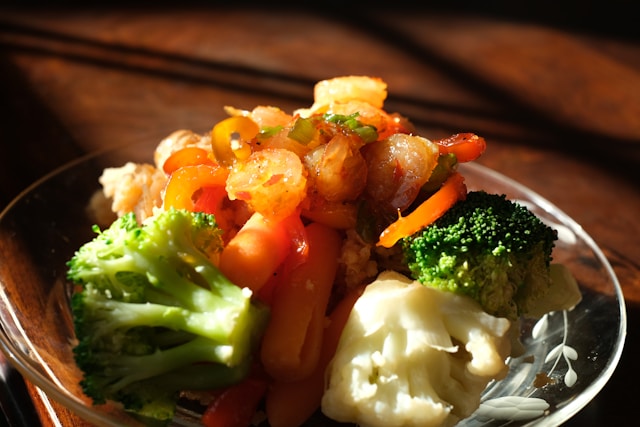
The primary drawback of cooking vegetables is the potential loss of heat-sensitive nutrients. Vitamin C and certain B vitamins may degrade with prolonged exposure to high temperatures. For example, boiling broccoli for an extended period can lead to significant nutrient loss.
Additionally, some cooking methods like frying or roasting at high temperatures may introduce unhealthy fats or create harmful compounds such as acrylamide.
Practical Strategies for Optimizing Nutrient Absorption
Food Pairing Techniques
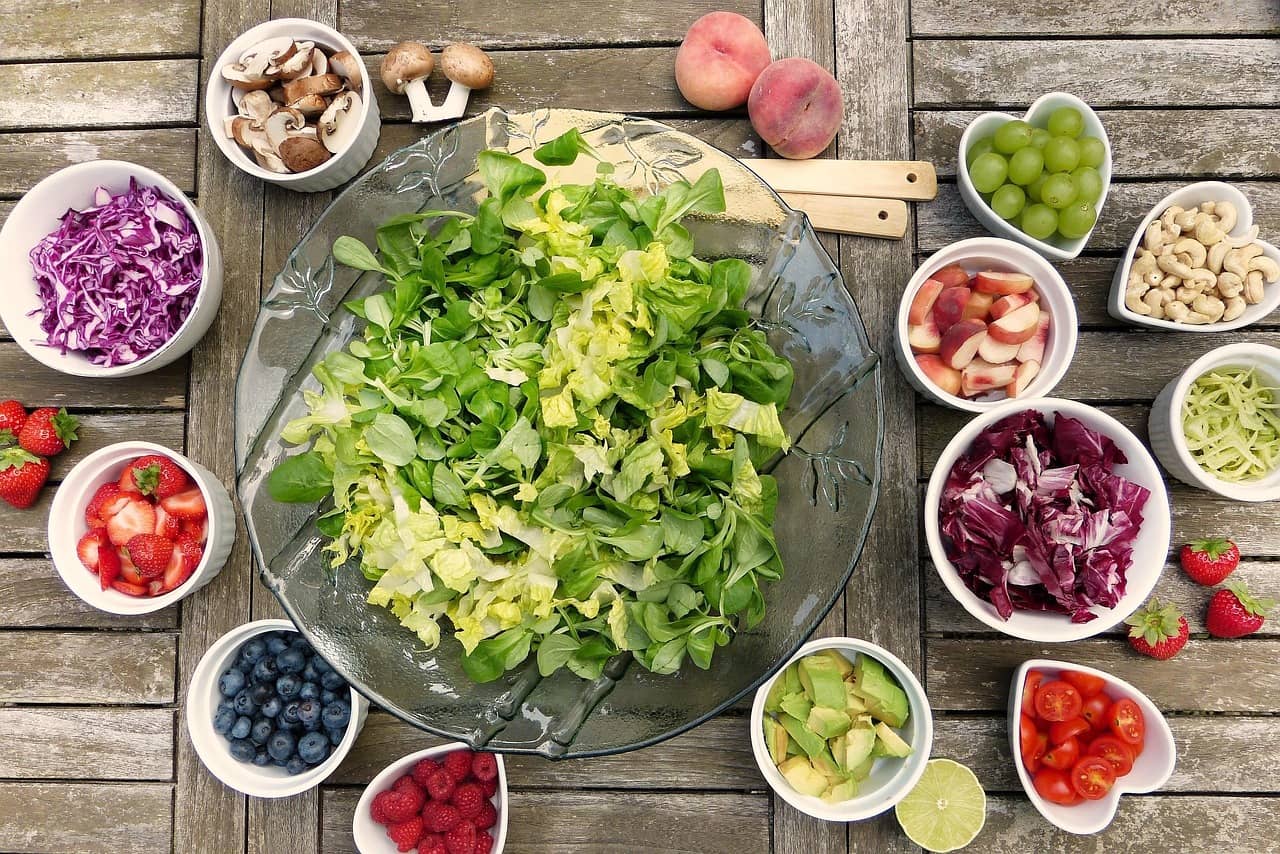
Combining specific foods can enhance nutrient absorption. For instance, pairing iron-rich foods like spinach with vitamin C-rich foods such as citrus fruits can improve iron uptake. Adding lemon juice to a spinach salad is a simple yet effective strategy.
Similarly, healthy fats can increase the absorption of fat-soluble vitamins A, D, E, and K. Adding a drizzle of olive oil to roasted carrots or avocado slices to a tomato salad can boost nutrient uptake.
Preparation Techniques
The way vegetables are prepared can significantly affect nutrient retention. Opt for steaming over boiling to minimize nutrient loss while retaining texture and flavor. Steaming asparagus or kale preserves chlorophyll and vital nutrients.
Consider consuming a mix of raw and lightly cooked vegetables throughout the day to benefit from both methods. For example, enjoy a raw spinach smoothie in the morning and a lightly steamed broccoli side dish with dinner.
Timing of Meals
Meal timing plays a role in nutrient absorption. Consuming certain vegetables with meals instead of on an empty stomach may enhance digestion. Eating salads with a protein-rich meal can support better nutrient assimilation due to increased digestive enzyme activity.
Space out high-fiber meals throughout the day to prevent bloating and improve digestive comfort. Opt for smaller portions spread across multiple meals to ease digestive load and enhance overall nutrient uptake.
Case Studies: Real-World Applications
Athlete Jane Doe followed a strictly raw vegan diet for six months but struggled with low energy levels and frequent digestive issues. By incorporating steamed vegetables into her diet—like sweet potatoes and zucchini—Jane noticed significant improvements in energy and digestion within weeks.
Another example is Mike, who suffered from iron-deficiency anemia despite consuming large quantities of leafy greens. After working with a nutritionist to pair these greens with vitamin C sources like strawberries and peppers, his iron levels normalized without requiring supplements.
Conclusion: Finding Your Balance
The key to maximizing nutrient bioavailability lies in balancing raw and cooked vegetables tailored to individual health needs. While raw vegetables offer enzymatic benefits and higher vitamin C retention, cooking can enhance other nutrients' bioavailability and digestibility.
Experiment with diverse food combinations and preparation methods to identify what works best for your body. Consulting with healthcare providers or dietitians can provide personalized insights into optimizing your plant-based diet for nutrient absorption.